Hong Kong
We started our journey, like many others, in London. We sold most of our life, packed a small (probably not small enough) fraction of the rest and we are waiting, all jittery to board our direct flight to Hong Kong.
12 hours later and after a few too many glasses of British Airways quality Sauvignon Blanc, we land, the door opens and we get this slap of heat, humidity, and a soothing sea smell, we are in Hong Kong!
Our first impressions of the city, very influenced by our choice of accommodation, was not love at first sight. We have done our research, we embark on bus 21 to Tsim Sha Tsui and excitedly await the sights of the city. We arrive at the chaotic and contrasting Nathan Road where you can find the poshest shops right next to very grubby looking emporiums. We find the entrance “Tsim Sha Tsui Mansions”
We arrive to our room which consists of a tiled square with a bed and a tiny washroom, the fan (which is essentially our window) seems to be fanning into our room the lunch smells of everyone in the block and the person next door seems to have a phlegm problem. We are in the city! (SPOILER: Despite the first impression, we fell in love with the city)

What to do in Hong Kong?
Hong Kong is a bustling city full of opportunities for everyone, from shopaholics to nature lovers the city has a choice for you. In no particular order, here you go!
1. Walk around the Avenue of Stars
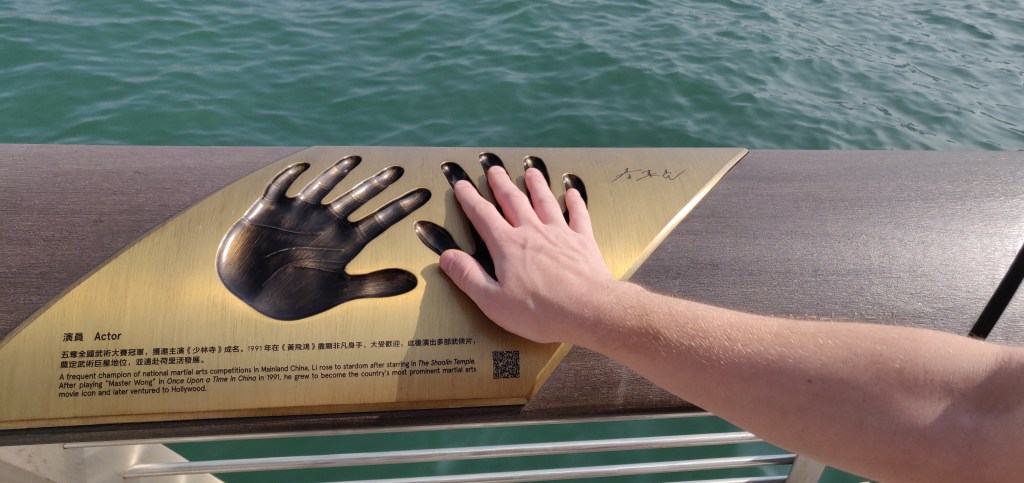
The Avenue of Stars located in the northern side of Victoria Harbour at Tsim Sha Tsui, it can only be compared to Hollywood’s Walk of Fame celebrating stars of the Hong Kong film industry such as the legendary Bruce Lee, the kickass actress that is Michelle Yeoh, Mr Jackie Chan himself plus many many more.

The Avenue of Stars was first opened in April 2004 containing 73 handprints and 4 bronze statues, one of which is Bruce Lee, the project itself cost HK $40 Million to construct.
We walked through the avenue of stars pretty much everyday whether it was to get to the place we were heading in our case was the Symphony of Lights (read further to hear about that) or to get the MTR or even just to go for a walk along the river. Basically no matter what you do at some point you will end up on the Avenue of stars but that’s not a bad thing, with so many cafes, restaurants, shops and places to sit and admire the view you could easily spend a good part of the day here.
2. Watch the Symphony of Lights
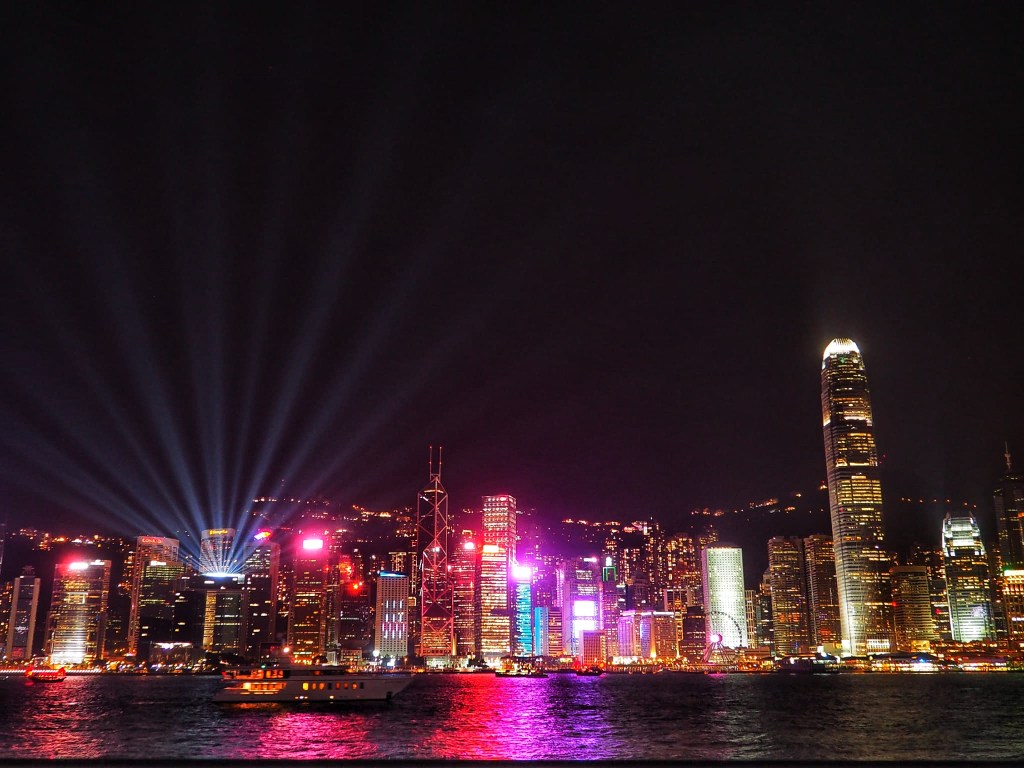
The Symphony of Lights is an amazing light and music show that involves more than 40 buildings synchronized to a song composed for that purpose. It has been entertaining visitors and locals equally since 2004. Before you go, you can download the app to plug your headphones in and immerse yourself in the moment but you can also (if you watch it from the spot below) listen to the music live.
Best place to watch the Symphony of Lights:
The best spot to watch it is either at the elevated platform right next to the Hong Kong’s cultural center where the music will be played, or if you want to have a more intimate experience you can go just underneath the platform where there are considerably fewer people and you can get very cool water reflection shots, however to be honest you could walk all along the the avenue of stars and still see the light show. We went there every night so we tried it all!
Make sure you get there at least 30 min before (the show starts at 8 pm) so you can get the best views, just buy some food and drinks and enjoy the incredible skyline views 🙂
3. Climb to “The Peak” (Victoria Peak)
How to get here?
Getting to the Victoria Peak Observatory (located at the top of a shopping mall) is easy, there are many options:
- You can walk up to the peak observatory and even combine it with using the longest escalator in the world (read further to hear about our failed attempt at that). You can start from Central. If you chose this option all you have to do is follow the “Old Peak Road”. (See map below)
- Get a bus. This route will offer you a different view, overlooking the houses of the wealthiest of the city. The bus to get is the 15 from Exchange Square Bus Station.
- Take the tram. This option is the most touristy (thus most expensive) but it is quite fun. We only took it because when we visited, the buses were not running and we had limited time. Apparently, we were quite lucky because the queues can take hours!.
What to expect?
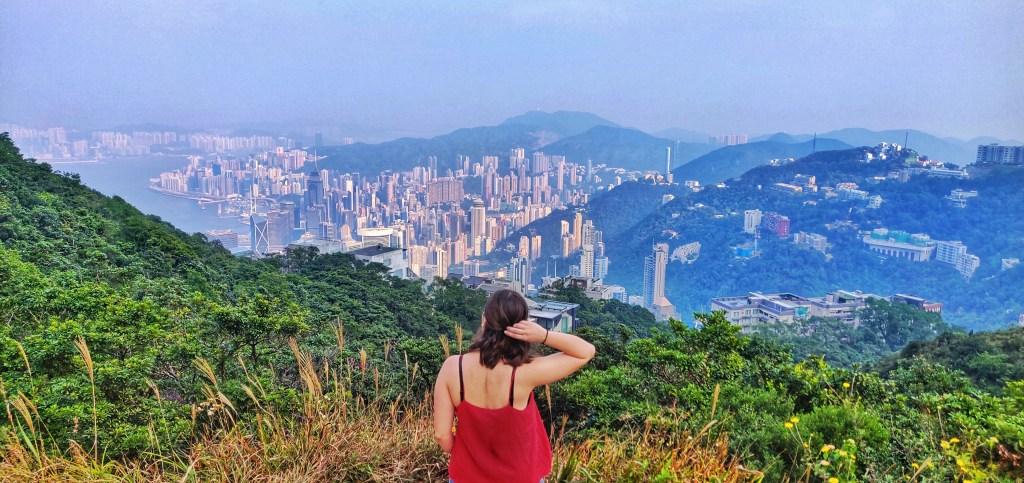
Once you reach the top, you will find a huge shopping mall, we did go up to the top but we did not pay to visit the observatory. Instead, we took photos from some of the open areas at the top next to the entrance to Wildfire restaurant and next to the entrance to Burger King. We then went outside of the mall to walk around the paths. Seeing those two viewpoints took less than 30 min so we decided that we wanted to try and reach the actual peak and visit the Victoria Gardens. We were not disappointed.
How to reach the summit of Victoria Peak:
- From the Peak mall follow Austin Road until you reach some building blocks on your right, then turn right to carry on following the road.
- Carry on following the road uphill until you reach a fork, then carry on the path on the right until you reach the top of the hill. As the trees dissipate you will already start to see the amazing views.
On your way back you should check out the Victoria Gardens and follow the Governor’s walk, it is a beautiful path surrounded by nature.
Note: The hike up does require some level of fitness as it is quite a steep hill. We did see some people going by taxi to the gardens but we did not see anyone reaching the peak, it was only us and another couple.
4. Hit the parks
As a busy city, Hong Kong has managed to create amazing spaces for relaxation and break from the hustle and bustle. Both Kowloon and Hong Kong parks are must see spots in the city.
Kowloon park
Situated in Tsim Sha Tsui, Kowloon park used to be used as an army fortress and it was only in the 70s when it became the tranquil space it is now.
The highlights in Kowloon park are the Banyan Court, Chinese garden, Aviary (showing different species of birds from all over Asia) and the bird lake, which is guarded by beautiful flamingos. Just outside of the park you can find the Hong Kong Avenue of Comic Stars.
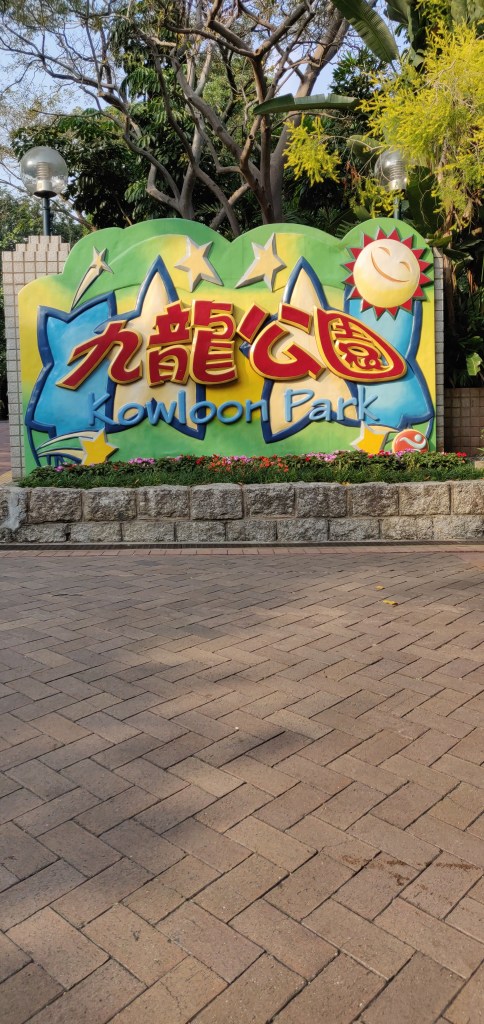
Entrance to Kowloon Park 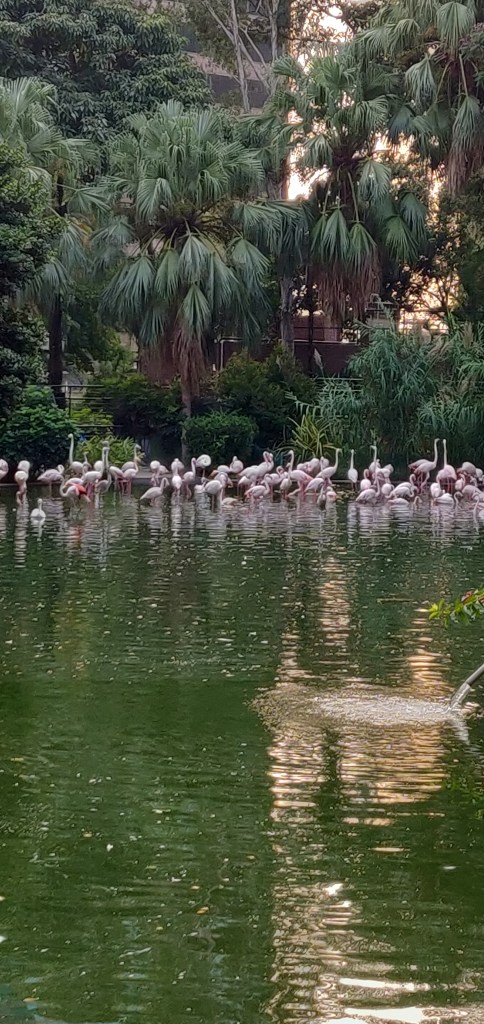
Flamingos at one of the ponds in Kowloon Park
Hong Kong Park
This park contains a number of historical buildings from the British colonial rule, built between 1842 and 1910. It also hosts the Museum of Teaware, which is free to visit and contains interesting information about the different tea types, ceremonies and ancient teapots and cups.
Also, the Olympic Square stands proudly in the centre of the park.
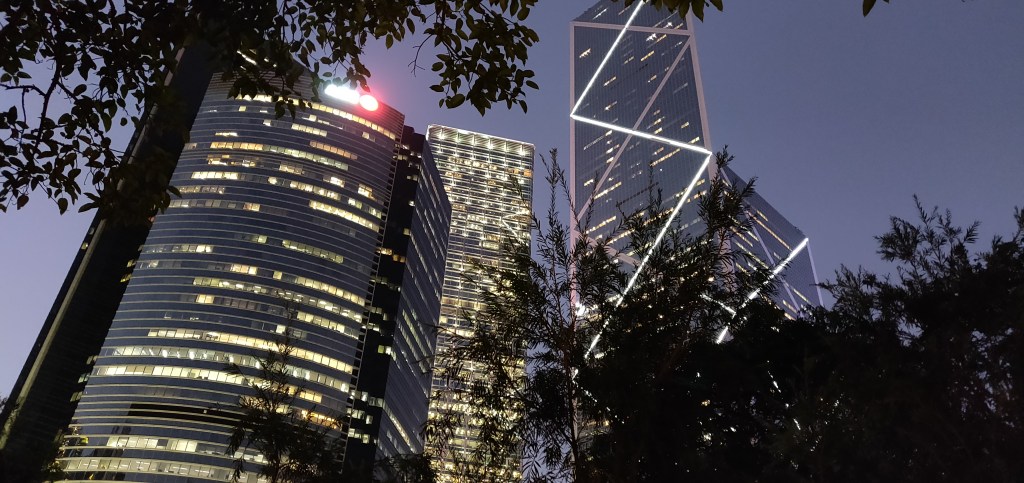
When we visited (at sunset) we had the chance to walk past the stunning waterfall in the centre of the park to watch the skyscrapers of the city turn their lights on and it was probably one of our favourite views of Hong Kong.
5. Ride the longest escalator in the world
Okay, we are going to explain how to ride the longest escalator in the world without failing like we did.
Costing HK$240 million (£24million) and built in 1993, its purpose was to provide a sustainable mode of transport from central to mid-levels. The system includes 18 escalators and three walkways and will take you around 20 minutes from bottom to top or vice versa.
If you wish to visit the world’s largest escalators you can actually combine it with visiting Victoria Peak. How? You say.
Well the escalators run on a very clever time system, they are in fact one way running escalators so from 6:00AM until 10:00AM they are running downhill in order to get everyone who lives in the mid-levels to central for work. Then from 10:00AM until midnight they run uphill, obviously to get everyone back home after work.
If you wish to take advantage of this and see Victoria Peak as well as ride the escalators follow these steps.
1st head to the escalators anytime after 10:00AM and take a ride up and take in the fact you’re riding the world’s longest escalators (there are shops and restaurants on the way up, so you can easily hop on, hop off)
2nd once at the top you can continue up the hill until you reach Victoria Peak (it is a steep hill but worth it, just bring some water).
3rd when you’re ready to come back down, the peak actually offers a cable car to the bottom, which has some incredible views.
Now for the part where we failed. Not knowing these times for the escalators we rode the cable car UP to the top then decided to head down the hill by foot to reach the escalators only to find out they are on there uphill motion, which resulted in us having to walk down an unhealthy amount of steps.
So everyone if you do wish to see these escalators then DON’T do what we did, just follow the three steps listed above and you will have a cracker of a time.
6. Visit the Ten Thousand Buddhas Monastery
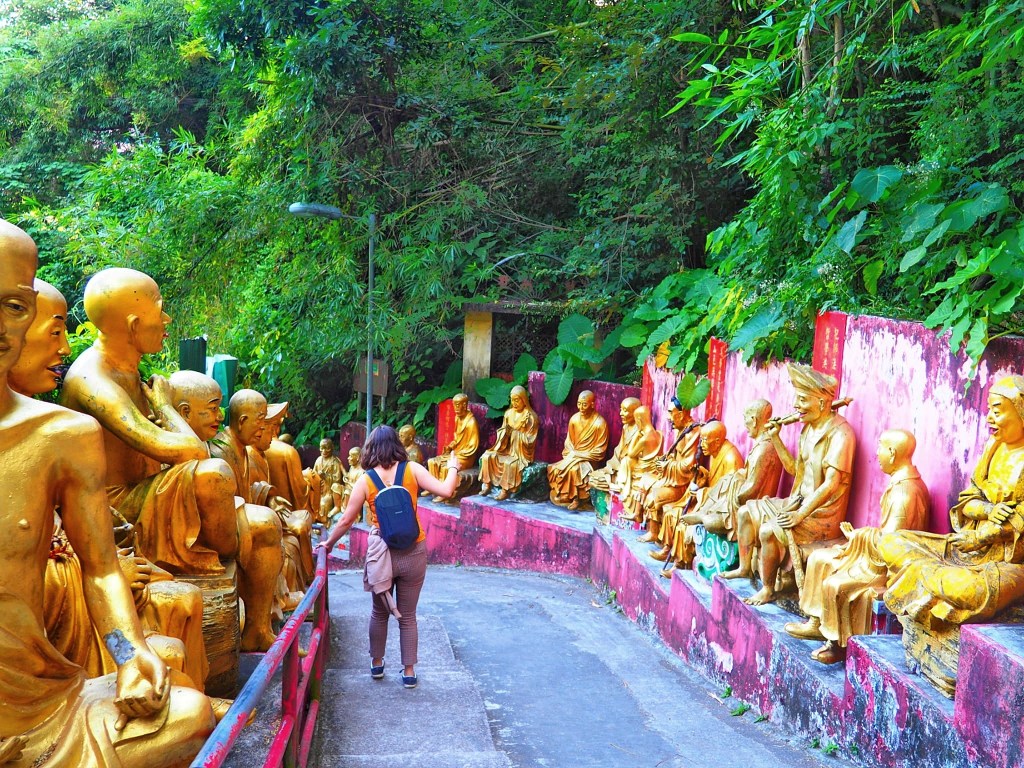
Located in Sha Tin at the outskirts of the city (New territories), the Ten Thousand Buddhas Temple was built by Yuet Kai, a monk who moved from China to Hong Kong to share the teachings of Buddhism. After his death, the care of the monastery (which currently hosts no monks) suffered from a mudslide that resulted in its temporary closure. However, it re-opened in 2000). It consists of two levels reached after climbing more than 400 stairs. The lower level contains a pagoda and the main temple hall, the walls are decorated by over 10000 figures of Buddha in different positions and the higher level, which consists of four halls with different images of Buddha.
How to get to the Ten Thousand Buddhas Monastery?
By bus: The bus will drop you off near the Sha Tin MTR Station so the instructions below apply for both.
By MTR: Exit at Sha Tin Station – East Rail Line (Light Blue) and choose exit A4. The monastery is a short walk from there. Before you see the monastery you will find a temple with escalator access, this is not part of the complex but a Buddhist cemetery. We entered by mistake and, although beautiful, we felt we disrespected the peace of the families honouring their loved ones. Just make sure to follow the signs to avoid making the same mistake (the signs may look unofficial, a piece of cardboard with an arrow, but it is genuine).
Important information: You may find fake monks asking for money on the way to the monastery, just politely decline or ignore them. Of course it’s different in some beliefs but commonly monks do not ask for money unless it’s a form of donation.
7. Shop ’till you drop
When you visit Hong Kong you will find a great variety of places to shop; from the fanciest high-end malls to produce street markets, these were our favourite.
Ladies’ Market
One of the most famous markets in Hong Kong, this is the market where you would expect to find the best knock-off versions of known brands. The Ladies’ market sells clothes, accessories, shoes, random tech, etc. There are also lots of places to eat within and around the market.
Flower Market
This beautiful and colorful market is very popular for its incredible array of fresh flowers, definitely worth a visit even if it’s just for browsing.
Jade Market
As the name suggests, this market is specialised in selling Jade pieces and jewellery. It is a very interesting experience, the shop tellers are extremely friendly although we did find that you should try to know what you want beforehand as they will literally chase you to buy anything, also, check out how to identify real jade!
Stanley Market
This is the most popular market for souvenirs thus it is very focused for tourism, it is still a great market to walk around and browse.
Temple Street Night Market
This night market sells a bit of everything, tech, clothes, souvenirs, accessories, we did not see its full splendor as protests were happening when we visited but we did enjoy fresh cold beer sitting outside a bar by the market.
Goldfish Market
This quirky market is not just a pet market, in Chinese culture Feng Shui, fish is used in the house to bring good luck!
Malls
Shopping in Hong Kong felt to us like an otherworldly experience. We basically just wandered around entering random malls, from the high end to the quirkiest ones selling everything you can imagine. We can’t really recommend the best malls as we didn’t visit them all but we did visit some very cool ones from this guide.
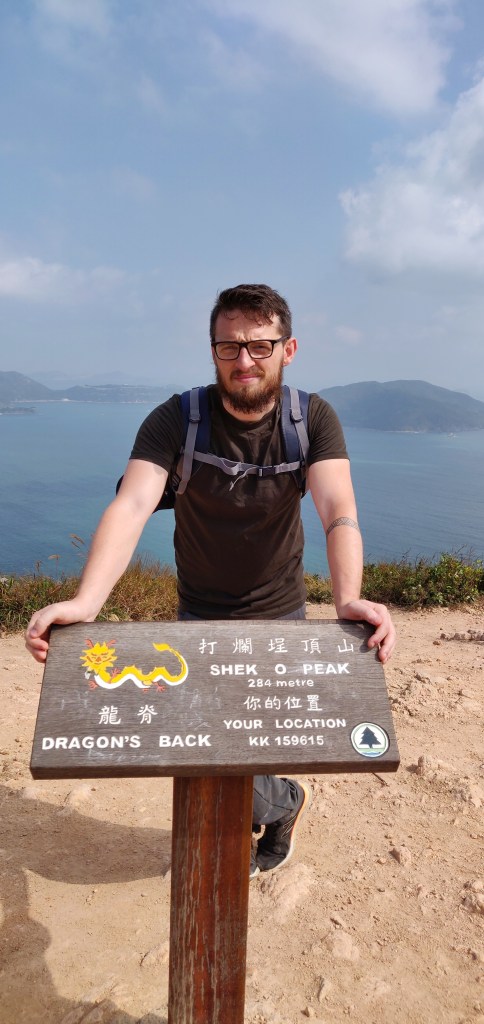
8. Hike the Dragon’s Back Trail
This breathtaking trail has recently gained a lot of popularity as it has been featured in National Geographic’s World’s Best Hikes. It offers a great way to escape the hustle and bustle of the city and to get back in touch with nature.
When we went there on a Sunday there were quite a few people both Hongkongers and visitors from other countries so if you are looking for a quieter hike we may recommend going during the week. In any case, the views are unbeatable and it is a must if you visit Hong Kong.
What route should I do?
There are two routes you can take when you do the Dragon’s Back Trail. One of them will finish at the same spot where you start and you can (and should) go to Shek-O after for some food or you can finish at Big Wave Bay Beach. Either way, you can finish the trail relaxing at the beach and eating some yummy food.
How to get there?
To get to the start of the trail you should get the MTR from Central Station to Shau Kei Wan Station (Island Line) and then get a bus from the bus terminal (very close to the MTR station) to To Tei Wan stop (it will specify Dragon’s Back trail) we took the bus number 9.
If you have mobile data you can use Google Maps to navigate. The location of the start is here
What to expect
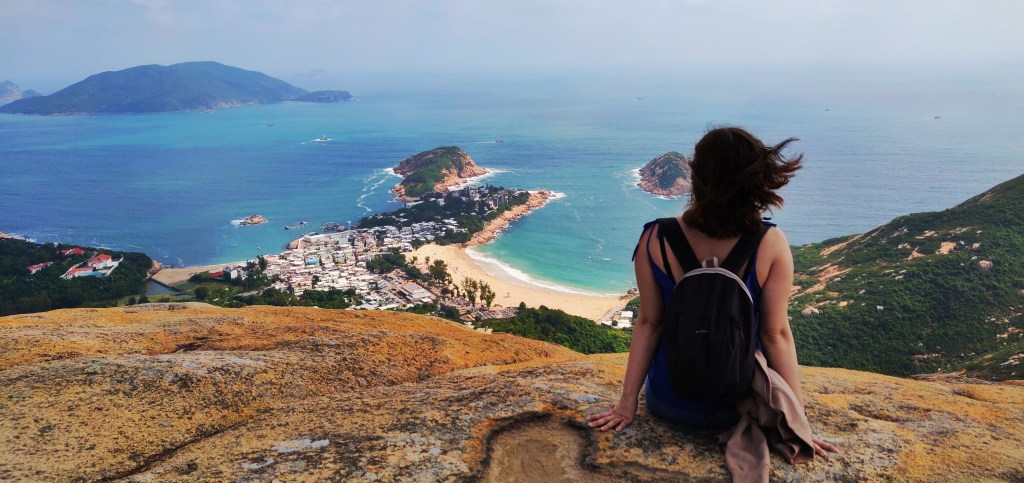
We won’t lie, it is not a smooth hike, there are lots of stairs and you will sweat (Hong Kong even in November is extremely humid) but if you have an average physical conditions you will be able to do it, we even saw kids doing the hike so it is not extremely hard. In fact the hardest part of the hike is the beginning, climbing over 500 steps. All you need is water, anti-bug spray and patience, oh, and take decent footwear we saw people wearing flip-flops. We can’t really comment on the part of the trail that continues to Big Wave Bay Beach because we did the circular route.
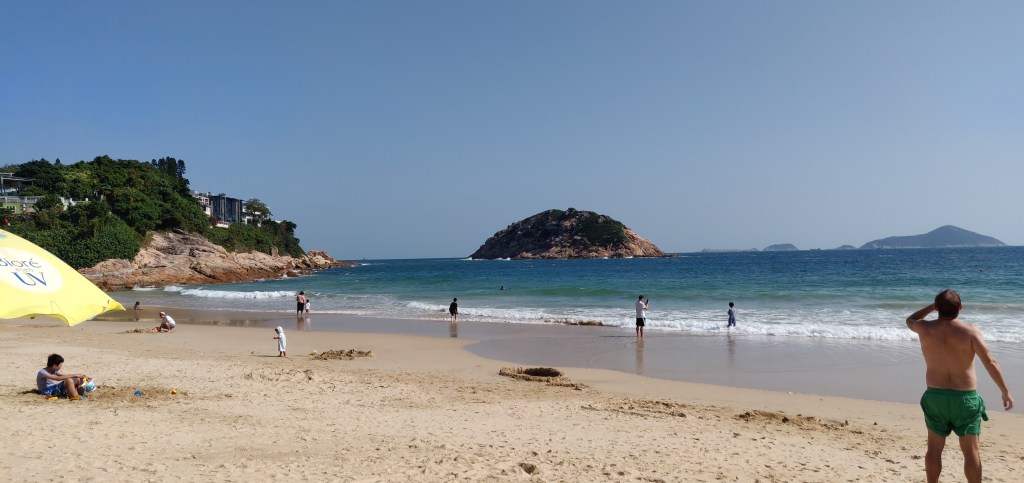
After the trail: Shek-O
If you decide to take the same route as us and get back to the start, take the bus number 9 again to Shek-O and enjoy some well deserved relaxation at the beach. There are also lots of restaurants and food stalls to gain back all the energies, we had some amazing Thai food washed down with fresh coconut. From Shek-O you can get a bus back to Shau Kei Wan station where you can get the MTR back into town. It will take around 2-3h approx to do the circular hike (with stops).
As mentioned above we can’t express how much we loved this hike, most people when they think of Hong Kong, the imagine is a busy city full of skyscrapers but in fact, hiking the Dragon’s back trail gives you a completely different perspective on Hong Kong, blue sky, blue sea, green mountains. Put this on your list now!
9. Visit the islands
Due to the volatile situation surrounding our visit to Hong Kong (protests). We didn’t manage to visit the islands this time around, but here are just some of the islands you can visit when you are in Hong Kong.
Lantau Island
Second most popular island first being Hong Kong mainland. This is the island where you can take a cable car to view the Big Buddha approximately 112 feet tall. Or most importantly Lantau Island is the home for Hong Kong Disneyland.
Lamma Island
A twenty minute ferry ride and you’ve arrived at Lamma Island, this island is mainly used for a getaway from the city, with its array of beaches and overall a relaxed hippie feel. You can easily rent a bike to explore all the hidden wonders that Lamma Island offers.
Cheung Chau Island
If you’re a seafood lover then this is the place for you. Other than the wonders of fresh seafood there are many scenic hikes you can take. If you also time your visit to the island correct you can witness the spectacular Cheung Chau bun festival. This celebration brings the entire village together, dancing the streets in costume and offering many buns to their deity.
That’s only a few islands there are of course many other islands to visit, such as Sharp Island, Tung Lung Chau, Peng Chau and the list goes on.
10. Visit the Lover’s Rock
Located nearby Bowen Road, this 9 meter granite rock is believed to give whoever touches it a happy marriage.
If you have some time to spare and you fancy some exercise (especially if you are travelling with your significant other) we recommend visiting Lover’s Rock. It can be walked from Central although if it’s hot you may want to take it easy there’s far too many steps to even count. The hike is totally worth it though, the views of the city from the top are incredible plus if you and your love touch the rock, you will become stronger together (we can vouch for that, we are still together after 4 months of traveling with each other 24/7).
What to eat in Hong Kong
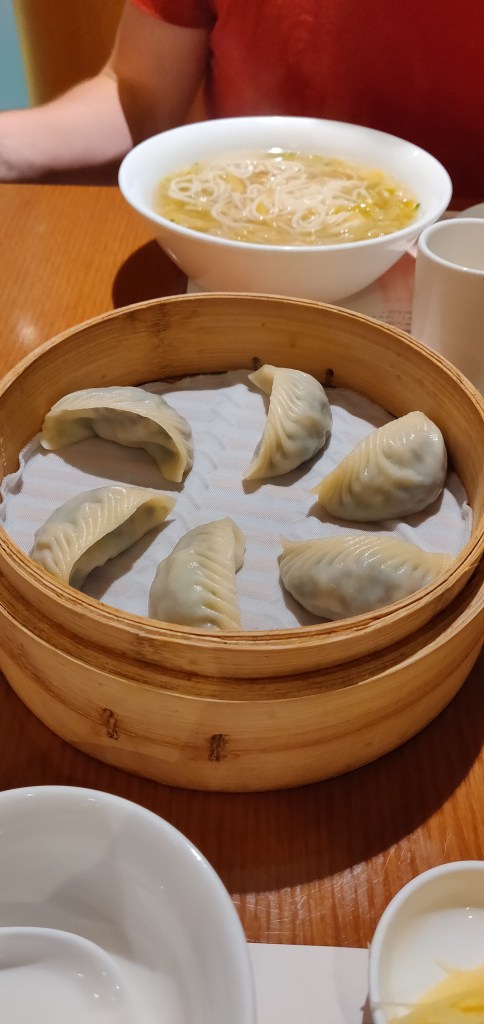
Dim Sum
The best way to describe Dim Sum is to imagine them as the Chinese version of Spanish tapas, small bite-sized portions usually served in bamboo baskets. Although they are as varied as the local cuisine itself, the most internationally renowned dim sum dishes are dumplings and buns. We really enjoyed having Dim Sum at Three Virtues Vegetarian Restaurant (Nathan Road)
Wonton Noodles
These brothy, warm, egg noodles are unmissable. Although not exclusively a Hongkonese dish but Cantonese you must try them at t Mak Man Kee Noodle Shop (Central) if you don’t want to miss out.
Egg waffle
This sweet snack has taken over many cities around the world but for those who didn’t know it is a Hongkonese invention. This bubbly dessert can be flavoured and you can add as many toppings as it can physically hold. Egg waffles are available all over the city, we personally tried them in a random hole-in-the-wall shop in Central (unfortunately, cannot remember the exact location).
Roasted meat
One of the highlight foods in Hong Kong is all the deliciously roasted meat available at any restaurant, from goose to beef and even Char Siu (barbecued pork), a roastery is a must visit during your time in the city. We visited Kwan Yu Roasted Meat (near Causeway bay) and Pete loved it.
Stinky tofu
Okay, this is a weird one, neither of us particularly liked it but it is worth a try. This tofu is fermented with different ingredients that vary depending on the family recipes. You can buy it anywhere in the food markets.
If you want a special and genuine experience, try to visit one of the food courts within the malls for lunch. You will find most workers from the shops in the malls go to these courts for lunch, we loved the snippet of experience of the daily life in Hong Kong.
How to get in and around Hong Kong
Get in:
Air: Hong Kong has one international airport located in Lantau Island, in order to reach the city you will need to travel from Lantau. There is plenty of public transport to reach the centre and live information is available on Google Maps or HK eTransport apps. If you don’t have any mobile data, the staff at the airport can direct you to your accommodation.
Land: Hong Kong West Kowloon Railway Station has regular trains that connect to China. MTR does also offer some connections to Guangdong, you can check it here.
By sea: Hong Kong-Macau Ferry Pier connects Hong Kong with its neighbour Macau (1h trip), which is worth a trip, also Hong Kong China Ferry Terminal . The transport from both ferry piers to Central and Kowloon are very convenient by bus and MTR. You can also access other locations in China subject to availability, click here for more info.
Get around:
Moving around Hong Kong is super easy, all public transport has English as well as Cantonese signs and announcements so you will always be able to find your way. Also, most people around the touristic areas speak English so they will be able to help you.
We recommend purchasing an Octopus card to use public transport (we topped it up with 200 HKD per person for 8 days)
Tips and tricks
When to visit Hong Kong
You can visit Hong Kong at any time, there are as many outdoors activities as there are indoors but the ideal time in terms of temperature and weather would be to visit from October to December.
How expensive is Hong Kong
Well, this always depends on your budget and maintenance level of course but we exchanged 300 GBP/ 3K HKD) and it lasted for the whole week (discounting accommodation).
How to keep connected
Free WiFi is widely available in accommodation and cafes and restaurants. Also in public parks and some streets. But if you still want to keep in touch we recommend purchasing one of the prepaid data-only SIM cards available from China mobile. As we were travelling to China afterwards, we bought the Big Bay Area 30-day card and it worked perfectly in HK and Mainland (also Macau) but there are cheaper options that will only cover HK and Macau.
 travelling4tales.travel.blog