Introduction
China is a country of myth and mystery, incredibly vast and diverse, a country full of wonder. Here you can find technological hub cities, ancient forests, mountainous regions, and beautiful seaside resorts. With eight major geographical regions with distinct cultural characteristics, it is also certainly not an easy country to draw an itinerary for. For this reason, in our trip, we decided to concentrate on the South, more specifically the autonomous region of Guangxi.
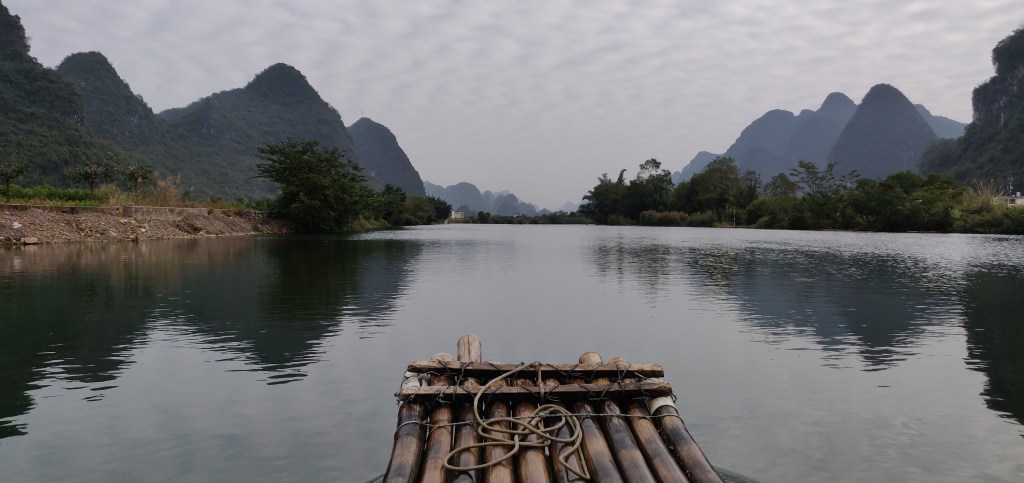
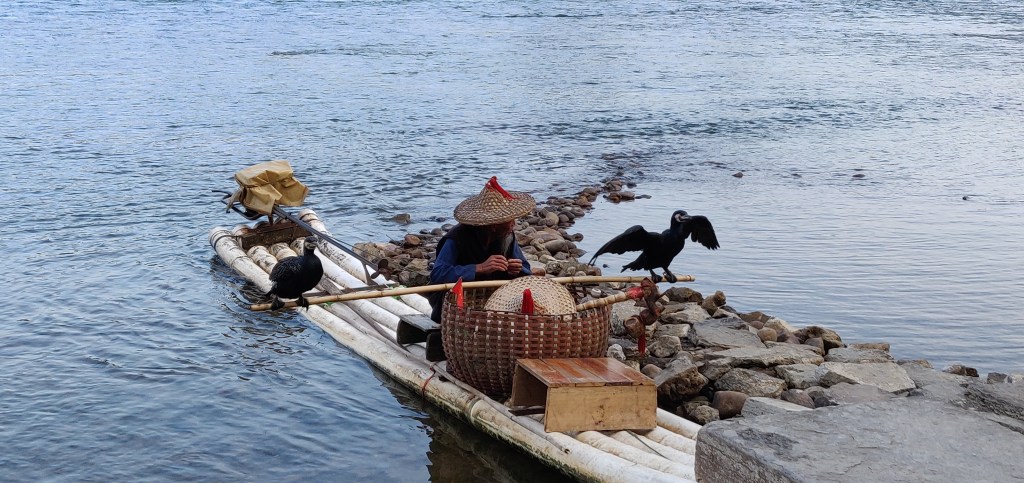
Guangxi autonomous region is very scenic, dominated by karst peaks and the stunning Li River and the famous Longji rice terraces. I decided to nickname this region the wanderlust capital of China after being drawn to visit it from the many photos of the karst formations of Guilin and Yangshuo. I am sure you have probably already come across the photo of the cormorant fisherman on the Li River, and this region certainly does not disappoint.
A bit of trivia:
- Guangxi is the province in China with the largest population of ethnic minorities. The Zhang ethnic minority is the highest represented in the region but there are also Yao and Hmong among others.
- Wang Zheng Gong, a famous Chinese poet described Guilin’s scenery as “the most beautiful under heaven.” So much so, it is actually one of the most visited places in China.
- The RMB 20 Yuan Note portrays a scene of a fisherman floating along the Li River, this scene is situated on a river bend just outside of Xingping.
Top 10 things to do in Guangxi
1. Dragon’s Backbone Rice Terrace (Longji terraces)
Price: 100 RMB (not including transport)
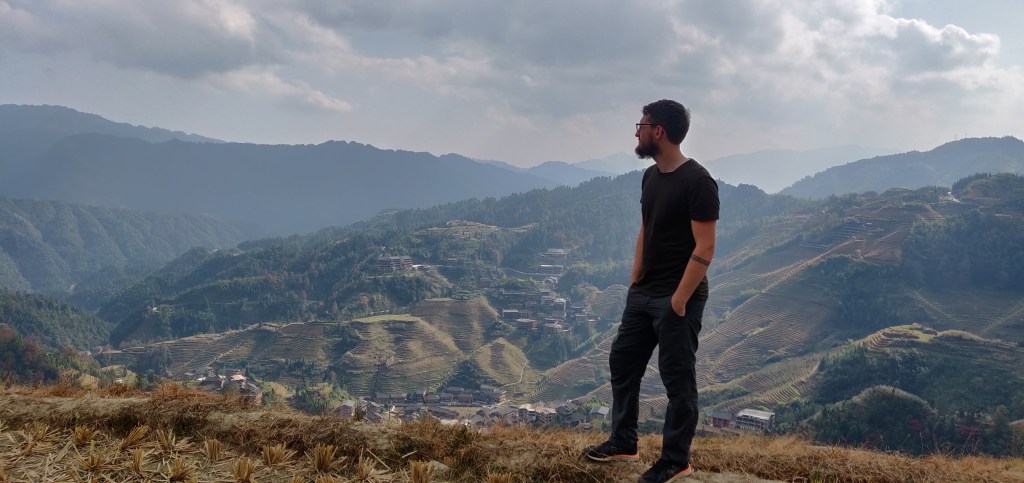
These incredible rice terraces get their name from the topography of the area, emulating a dragon’s back. Sculpted into the mountainside by the Zhuan people, their construction started during the Yuan Dynasty (1271-1368) and are still active to date, mainly used by the local ethnic minority communities. They are easily accessible from Guillin from the Guilin Qintan bus station (for up to date information you can check https://www.chinabusguide.com/) or you can go with a tour from your accommodation.
If you wish to visit the rice terraces (and you definitely should) bear in mind that the landscape will dramatically change seasonally. You will find deep green fields in the summer (May-June), in the autumn you will find golden rice ready for harvest (September – October) and in the spring you will find a mystical water reflection landscape as the paddies are flooded from the seasonal rains, in the winter.
2. Yangshuo’s countryside
Price: Free
I will be honest here, when we first arrived at Yangshuo town from our 1h bus ride from Guilin, we did feel a little disappointed. Imagine a toned down version of Khao San Road in Thailand with beautiful scenery around it and traditional chinese buildings. However, our accomodation was situated quite far away from all that, in quite a local area near a fresh produce market. On our second day in Yangshuo, we took our bikes and decided to go see what the hype was all about (and it did not disappoint). The countryside in Yangshuo is just beautiful! The bike path took us along the Yulong river through allotments and rice fields surrounded by the most magical vegetation blanketed karst formations. If you want to follow our itinerary ()
Yangshuo also offers great hiking opportunities such as the TV antenna hike and there are plenty of climbing companies if you are into adventure activities.
3. Li River
Price: Free to walk, boat cruise prices vary (around 350 RMB/person for a basic one)
I could describe Guilin as a fully functional city, with a solid metropolitan bus connection to the many different parts of the city and a strong commercial outlook but the touristic side of the city is definitely very present. Guilin offers many different touristic features such as the Sun and Moon pagodas, Reed flute cave and many karst peaks.
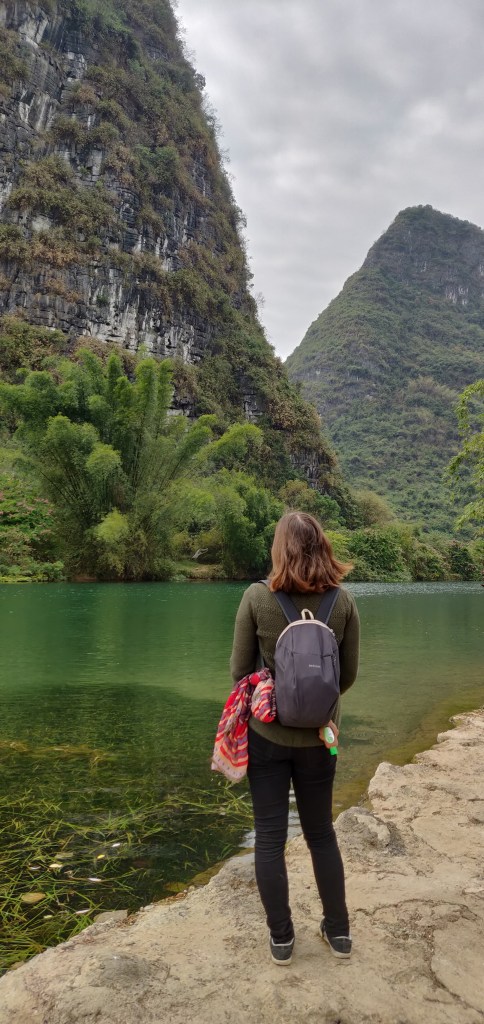
Our favourite activity in Guilin, however, has been the river Li. You can experience the river in many different ways, there are lots of tour companies that offer river Li cruises which is a great way to also get a very good sum-up version of the karst topography of the area, but you can also explore it by walking which has actually been our favourite way. In Guilin both orillas of the river are paved and there are bridges crossing it and the scenery is very peaceful and relaxing, along the way you can even find locals playing traditional music.
4. Chengyang Wind and Rain Bridge
Price: 60 RMB (not including transport)
If you are interested in China’s ethnic minorities, a trip to visit this bridge will definitely not disappoint you. The Chengyang area is home to many Dong ethnic minority villages that you can visit and stunning countryside. The Dong are particularly known for their woodwork and building structures of which this bridge is a notable example, take your time and admire both the intricacy and at the same time simplicity of the design, apparently it was built without a single nail! The best way to reach the area is by train from Guilin, the train will only take around 45 min to Sanjiang South where you can take a taxi to the bridge.
5. Detian Waterfall
Detian waterfall (China)/ Ban Gioc waterfall (Vietnam) is a bit out of the way if you are following the tourist trail on Guilin/Yangshuo/Xingping but it is definitely worth a stop if you are going south. It is the largest waterfall in Asia bordering two countries. These falls drop around 60m and they are around 200m wide. You can see both parts of the waterfalls from the Chinese side.
What to eat
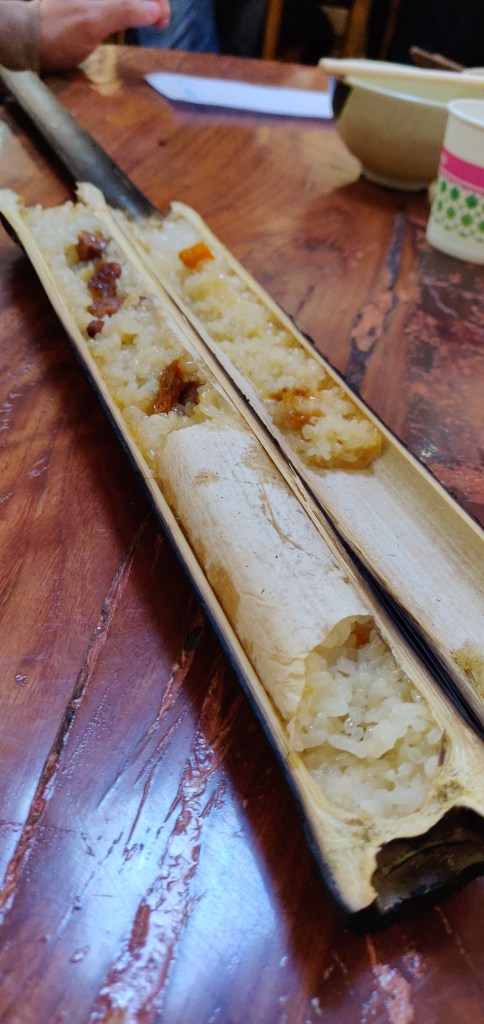
Food in China is as diverse as its geography. Guangxi is particularly known for its proximity to Cantonese cuisine. You will find hearty noodle soups, the ubiquitous Chinese street snacks but also delicious dishes where fish and meat are the protagonists. One half of travelling for tales is flexitarian (95% of the time vegetarian and 5% pescatarian) so it is always harder to find the local cuisine for her. One of the best non-veggie dishes we have tried are the Guilin noodles, if your diet is not restricted then you will probably should try any of the Li river fish dishes (Yangshuo beer fish, Li river snails, etc) and chicken and water chestnuts. For more specifics in food follow our advice for Guilin, Yangshuo and Nanning and “How to eat vegetarian in Guangxi?”.
How to get in and around Guangxi
Train
Moving around in China is not as complicated as you may think, there is a very convenient and reliable railway system that connects most major cities
Also, the staff at the railway stations is extremely helpful, approachable and, although they may now be able to fully communicate, they will go out of their way to try (download a translator app, it will save your life).
As we were new to backpacking and a bit apprehensive about our travel in China we used China DIY travel and they were extremely helpful and easy to use (not an add, I promise) but after 4 months travelling we feel we could have done it ourselves..
Bus
We found there were buses available for anywhere you could want to go to Guangxi. The stops in the city buses were clearly marked and announced in English and if you look a bit lost people are very keen to help you out.
Metro
Metro is available in bigger cities, on our trip, we only used the Nanning Rail Transit (NNRT). The system may differ slightly from other metros you may be used to, in Nanning you must first pass through a metal detector and may or may not be checked by the official in charge. Then you must purchase your token in one of the ticket booths or machines. You scan the token to get in and upon exiting you will put it inside the slot.
Air
There is an airport in Guilin, Liangjiang International Airport (KWL) with regular buses to the centre. Also from Nanning, the Nanning Wuxu International Airport has multiple bus connections to the city centre.
Tips and tricks
Do I need a visa to travel to China?
If your nationality belongs to any EU country or UK you need a visa to travel to China. We are Spanish/British and the route for both was easy.
In either case, the first thing you need to do is access the following website: https://www.visaforchina.org/
Follow their step by step guidance that will direct you to the best route to apply for a visa. In our case, we just filled in the form for the tourist visa.
After that, you will have to attend an appointment in the visa application centre of your city of choice. All you need to remember is to bring the printed documents, your passport and a copy, your itinerary (booked hotels of half of your stay) and your route of entry or exit.
In our experience, we didn’t have a route of exit so we had to explain all our itinerary and have bookings of hotels for our onwards travel (which was Vietnam). The more evidence you have the best in these cases.
If you live too far away from any of the visa application offices you can also apply by post by providing the same documents but you will have to send your original passport.
Money
Currency
China uses the Chinese Yuan (CNY or RMB), we mostly relied on cash but we did use an ATM in Guilin (Agricultural Bank of China) and we did not get charged any commission from the bank. However, make sure you take with you a card that does not charge commission to use the card abroad or to use a foreign currency (we use Starling or Monzo)
Budget
We believe you can travel to Guangxi with a budget of 40 GBP/ 45 EUR. We consider ourselves mid-range travellers and our spendings were:
- Accommodation: An average of 8 GBP / 9 EUR per night in Guangxi on private double-bed hostel rooms.
- Food: An average of 16 GBP / 18 EUR in food (breakfast is normally included in accommodation) including some western meals.
- Activities and tours: We only did one tour during our stay in Guangxi, so this was not a big expenditure for us. We mainly hired bicycles and enjoyed the free sights.
How to stay connected
If you want to stay connected when you travel to China we recommend you get the Holafly SIM card, it already includes a VPN so you can still use your favorite social media apps. https://holafly.com/products/sim-datos-china
As we had travelled from Hong Kong, we were lucky enough to find out that if you buy a China Unicom SIM card that also works in Mainland China in HK you will be able to use it in Mainland China without the need of a VPN. We didn’t know about this before starting our travels.
How to be safe in Guangxi
Guilin and Yangshuo are the two spots more likely to encounter scams and petty crime. By any means, we did not research all scams before we visit a location because scammers extremely creative and you will always find one unheard of but following some rules of common sense will help you avoid some of them at least.
- Never trust anyone offering you a tour on the street, especially if they start the conversation with “Where are you from?”. We had this happen to us a few times, if you want to do a tour you will always get the best prices from your hostel or a reputable company. You can always check reviews for tour companies on Tripadvisor.
- Be wary of people taking you to a teahouse to practice their English, you will end up paying all the bill (and it won’t be cheap).
- Always choose a taxi with a meter on and insist to the driver if they don’t want to turn it on. If you need to take a taxi with no meter, negotiate before you go and always take your luggage out before you pay. We heard stories of unlicensed taxis leaving with people’s luggage.
- When you rent a bicycle/ motorbike, do not leave your passport as a deposit, we tend to never leave our passport as a deposit in any country we go to (not even in hotels) anyway. We normally take photocopies of the passport if they insist. And always take photos of the damage marks etc already on the bike/motorbike beforehand just in case.
Recommended Apps
China is notorious for its Great Wall, and not just the physical one. The Great Firewall of China makes it extremely difficult for you to use your favourite websites and navigation/ translation apps. This are some tips from our experience:
Download maps.me, Google maps will 100% not work in China (everything is out of place) so an offline map app will be more reliable.
Download Pleco, you will be in situations where you won’t be able to understand/speak to people and you will be missing out if you don’t try, Pleco works offline and it has been super useful for us (even when we got lost in the middle of the countryside and tried to ask a villager how to get back).
Overview
Guangxi is an incredible region of China to explore, we can go as far as to say its a great place for China beginners as it’s quite a touristic area (particularly Guilin, Yangsuo and Xingping) and very accesible by public transport or tour. As our first taster of China, Guangxi has left us wanting more! So we will definitely be planning more China backpacking in the future.
 travelling4tales.travel.blog