Introduction
Our excitement of boarding a Chinese bullet train was only matched by the anticipation of disembarking in a place renownedly known for having the “Most beautiful scenery under heaven”. Our first contact with this beautiful region was at 300km/h, all the lush green fields and karst peaks started to appear gradually as the train breezed through the lands. I remember thinking “China must have some of the most beautiful natural scenery in the world”. We arrived at our stop “Guilin West” from our Hong Kong train, we had studied the station and we were determined not to get lost. (You can study it too from this link). We got the local bus no 10 to the city center and the process was very straightforward; went in, deposited the correct amount into the donation looking box (make sure you have some small notes for this) and then sat down until our stop (they are written and announced in English).
We were in Guilin!
Often, we found ourselves reading blogs suggesting to skip Guilin and go straight to Yangshuo or Xingping, this is hardly fair. Although Yangshuo/ Xinping are definitely closer to the countryside’s breathtaking landscape, the Forest of Sweet Osmanthus (yes, that is what Guilin actually means) has some charm to offer too! If you have enough time we recommend not to miss Guilin (even if you only explore it for a day).
So welcome to our Guide to Guilin!
Best time to visit Guilin
If you want to see Guilin and enjoy some good weather you should aim to visit sometime between April and October. If you plan to visit the Longji rice terraces, choose carefully as the landscape you will see is heavily dependent on the season. If you want to see lush green rice terraces you should aim to visit in May, however, if you want to see golden rice, you should visit in October. We visited in November and found the rice had already been harvested, it was a beautiful landscape anyways but we would have loved to have planned it before.
How to get in and around Guilin
Bus
From Guilin South bus station you can get a bus to Yangshuo or Xinping (around 25 RMB per person, perhaps a bit more to Xinping)
Also from Guilin Qintan, you can get a bus to the Longsheng Scenic area for around 40RMB
Travel in Guilin is easy, buses have both, English and Mandarin announcements and also the stops are written in English.
Train
The train stations are also well signaled so you should not have a problem travelling around Guilin (there are four train stations just in the town of Guilin so make sure to check which one you need, you can check it here (https://www.chinadiscovery.com/china-trains/china-train-stations/guilin-train-stations.html).
You can get a train to visit the Chengyang Bridge by stopping at Sanjiang South and then getting a taxi to the bridge. You can also visit the ancient town of Huangyao by taking a train from Guilin North to Hezhou Railway Station and then a local bus to Huangyao.
Alternatively, you can hire a bicycle to visit the sights around town, although we found the traffic in Guilin to be a bit chaotic with many electric mopeds taking over the road.
What to do in Guilin?
Li River
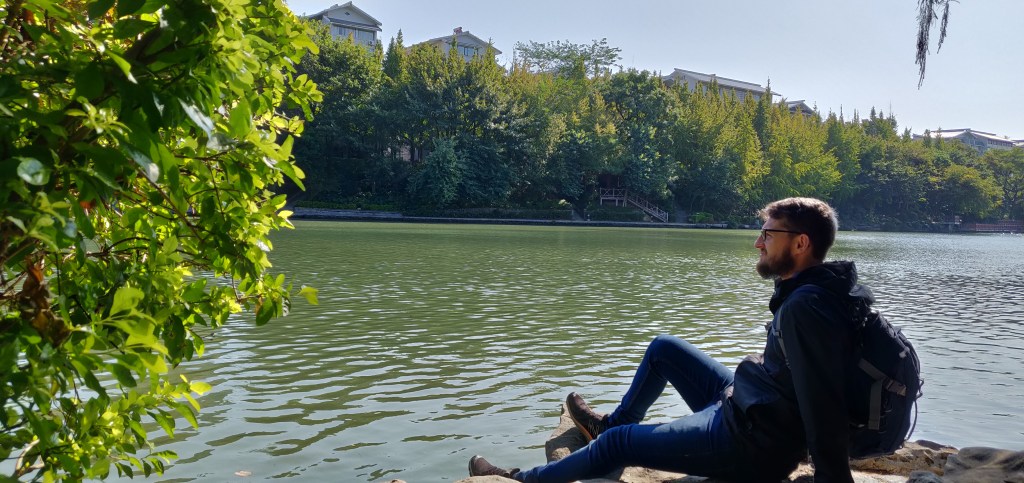
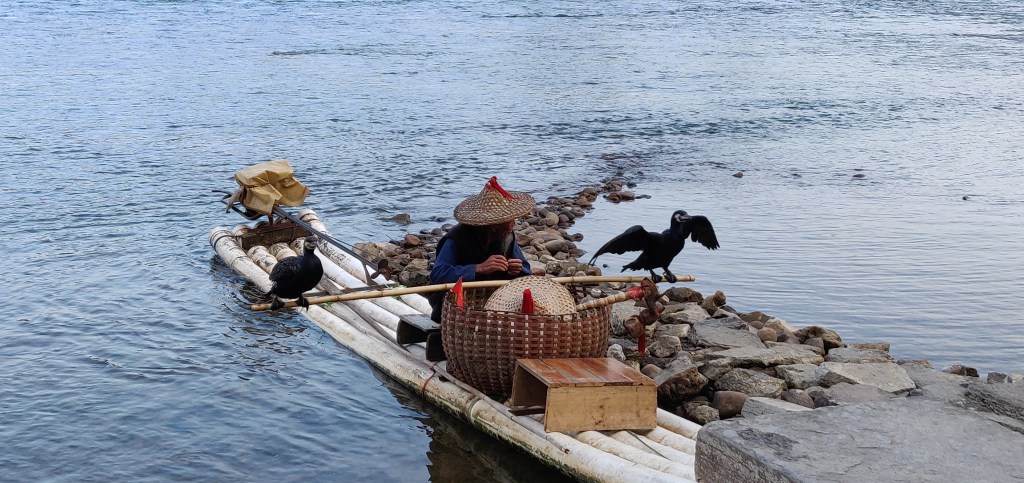
One of the highlights of not just Guilin city but the Guangxi region is the Li River, flowing all the way from the north of the Guangxi province around 80km and passing through Guilin city, Xinping and Yangshuo. When we visited Guilin, we absolutely loved walking on the riverside paths. Our favourite corner was just outside of the Park Hotel where musicians were playing traditional music, the sensation of peace was just so awe-inspiring!
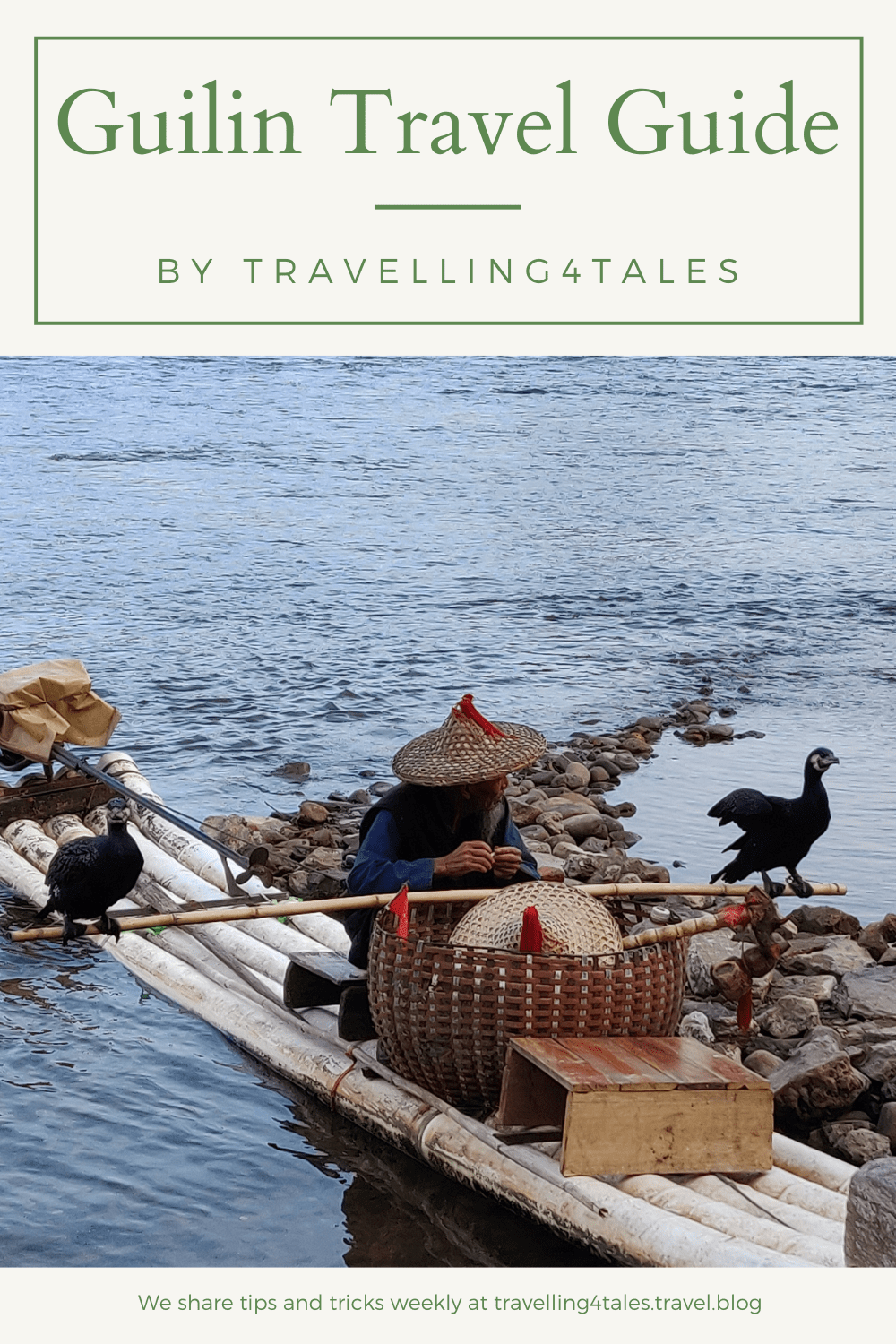
One of the musts, however, if you come to Guilin is to take one of the Li River cruises. They provide you with the best option to see the scenery the region is known for in a day and to get away from the hustle and bustle of the city. These are the options they usually offer but you should totally shop around:
Three star boat tour (with pre-packed lunch) – Price around 350 RMB
This tour is quite complete, it will drive you to the pier by bus (around 45 min) and then you will spend 4h on the boat until you reach Yangshuo, you will then have some time to explore the town before you will be driven back to Guilin. In this tour you will be able to explore geographical features such as the Nine Horses Hill or the Snail Hill among many others, including the 20 RMB note spot.
Four star boat tour (with posher lunch) – Price around 700 RMB
Same tour as above but more comfortable seats and you can choose a seating area for extra price.
Reed flute cave
Price: 90 RMB
Reed flute cave gets its name from the reeds growing outside, traditionally used to make flutes.
The best way to describe this wonder in our words would be “a natural cathedral looking rave”. Jokes apart, this cave also known as the “Palace of natural arts”, is a signature feature of karst geographic areas and it’s one of the most visited attractions in Guilin. Reed flute cave was even popular thousands of years ago during the Tang Dynasty. When you enter you will be dazzled by the breathtaking stalagmites and stalactites which are beautifully illuminated with multiple colours (we found this a very Chinese thing to do to a cave). We would definitely recommend this cave as a must see in Guilin.
How to get to the Reed Flute Cave?
As it’s one of the main attractions there are a few options to get there, if you are out on a sightseeing trip you can join the sightseeing bus from some of the other attractions such as the Elephant Trunk Hill or Seven Star Park, it runs every 30ish mins.
You can also get the citybus from most places in the city centre, it costs 1RMB per person, they are easy to ride and reliable. You can check the routes of Guilin buses here (https://www.travelchinaguide.com/bus-subway-search.htm)
Karst hills
There are multiple karst hills you can visit in Guilin, you can visit them all or pick a few. These are the main ones we recommend:
Elephant Trunk Hill -Price: 75 RMB
This flashy hill is a symbol of Guilin, it is easily accessible from town. Although it is a bit pricey it is quite a sight and it will provide you with a great photo opportunity.
Solitary Beauty Peak – Price: 120 RMB
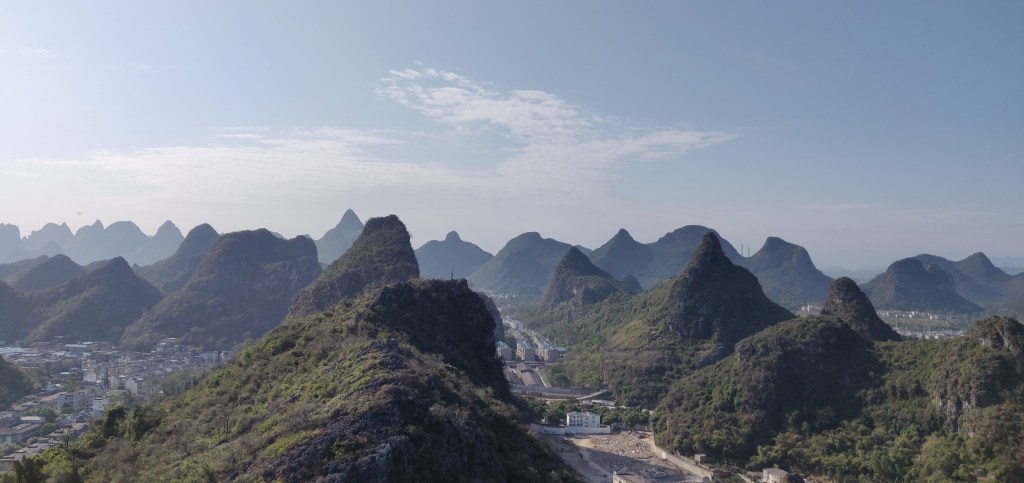
This sharp peak is located within the Jingjiang Prince City, with your entrance ticket you will also be able to visit pavilions dating from hundreds of years back and there are multiple inscriptions within the complex that you can explore. As well as the peak and pavilion you can also visit the Peace Cave. We found this was one of the worthiest peaks to pay for, if you are on a budget we would recommend this one. When you reach the summit you will be able to experience one of the most beautiful views of Guilin.
Old Man Mountain – Price: Free
This is the only free peak you will be able to access in Guilin (city). The hike to the top is around 25 min long but reaching the top is challenging, if you do, however, you will be rewarded with incredible views of the city from above. This was definitely our favourite hill.

Seven Star Park – Price: 55 RMB
If you visit this park, you will be able to see 7 hills and a cave for the standard price of Guilin’s other hills. Inside the 120 hectares park includes a bridge dating from the Song Dynasty (Flower Bridge). You may be asked to go with a guide, we managed to sneak past with just our ticket but that is something to have into consideration.
Other hills: There are some other hills in Guilin but we did not visit them, we found that they were quite pricey and it did not seem like there was much exploring to be, most of the time you are only allowed to walk up and then back down. This also applied to Elephant Trunk Hill but as it is such an unique we felt it was more worth the money.
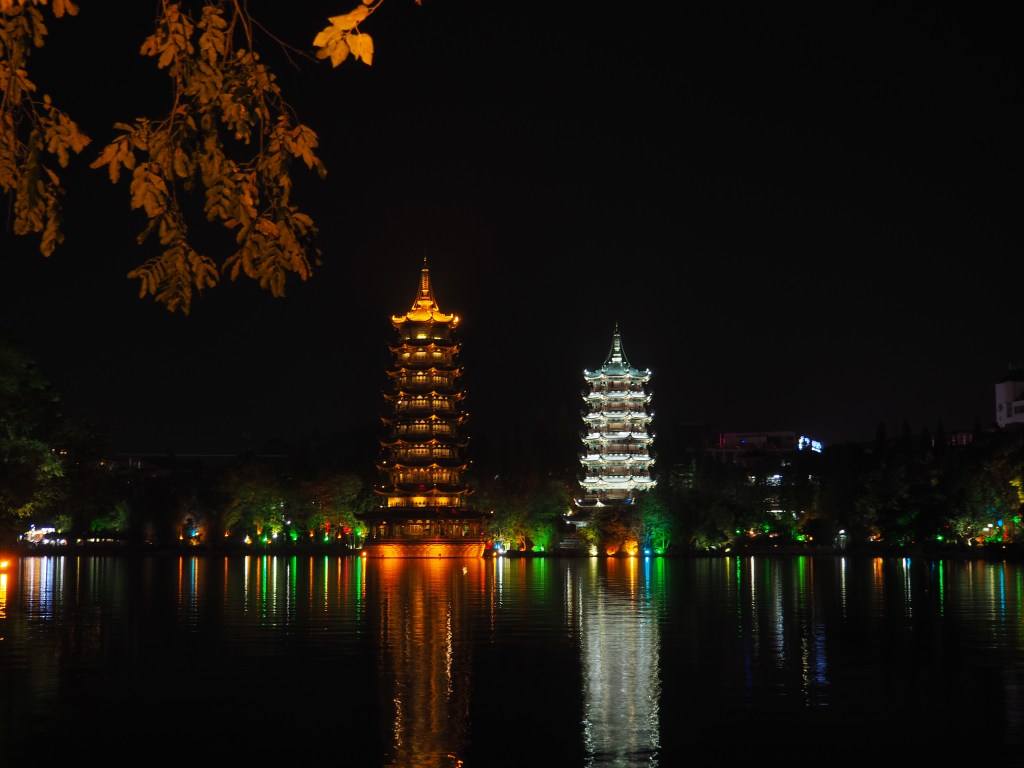
Visit the Sun and Moon pagodas at night
These beautiful pagodas are lit up in at night and they offer an incredible sight. Make sure to visit them before they close as you can cross them from an underwater tunnel!.
Shopping in Guilin
Zhengyang Pedestrian Square Underground market
I admit it, this is perhaps not the typical thing you would imagine from the city with the most beautiful landscape under heaven but we found it quite an exciting activity if you have some spare time. The underground shopping centre is located in Guilin central square and you can find super cheap imitations, random tech and clothes, we thought it was something quite unique (but then this was our first time in China so perhaps not so much if you’ve already been to bigger hubs). We found some female Vans imitation shoes for £2! (after some amateur bartering)
If you like souvenirs and traditional crafts then the pedestrian market up Zhengyang pedestrian street is for you, here you can buy some traditional ethnic minority crafts, typical souvenirs and handicrafts.
What to eat in Guilin?
Guilin rice noodles
You really can’t go wrong if you order this steaming bowl of rice noodles, the light broth is usually made with beef or pork meat and you will find it along with some vegetables, but if you want to take this dish to the next level you will have to add some of the pickled vegetables they normally offer as condiments. You will not regret it! You can try them pretty much at any restaurant in Guilin, we recommend Rice noodles pub in Guilin or Chong Shan MiFen (Yi Ren Road). If you are vegetarian but you don’t want to miss out on this delicacy, travel a bit further to Yangshuo and go to Mood Food Energy Cafe, you will find a great veggie option there.
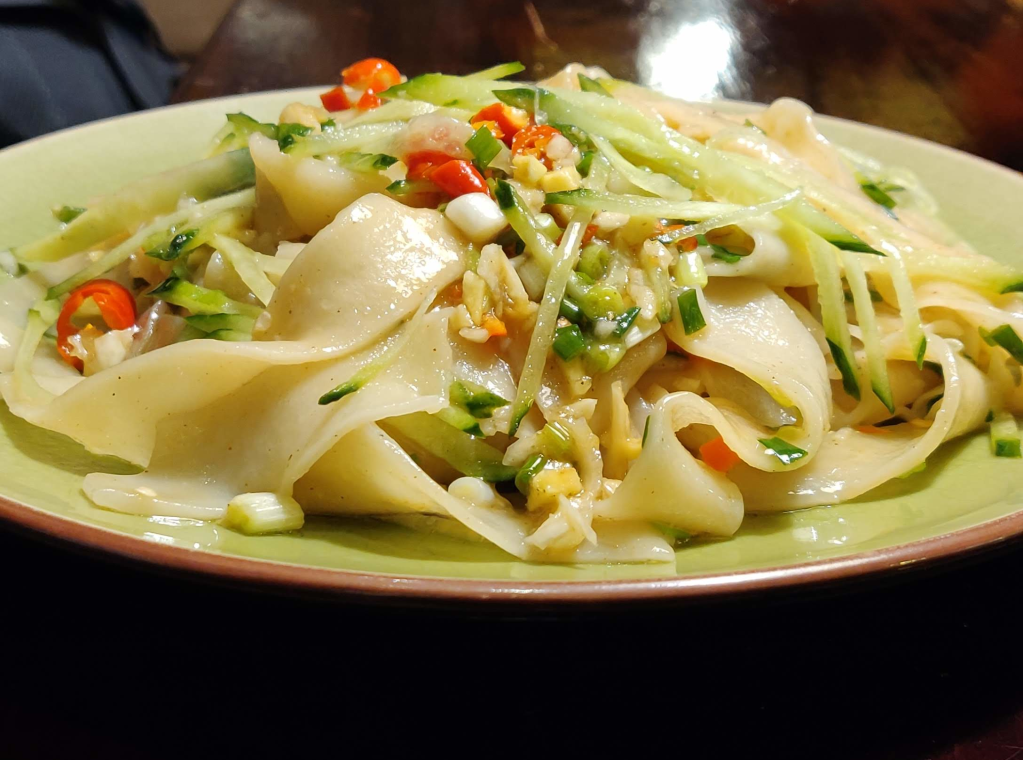
Fried Chicken with Water Chestnuts
This light dish is definitely a good choice at any time and you will find that water chestnuts will help your digestion.
Li River Fish
Similarly to the previous dishes, you will find Li River fish everywhere either steamed (清蒸漓江鱼) or in soup, normally accompanied by ginger and tomatoes. Try them at Li River Cuisine Restaurant.
Stuffed Li River Snails
Okay, for a Westerner this may be an unusual dish to try but if you are coming all the way to Guilin, you can’t leave without at least ordering it once. Normally stuffed with minced meat and mint, this dish will leave you wanting more! Try it also at Li River Cuisine Restaurant.
Tie: Bitter Melon and Egg and Stir-Fried Eggplant
Two incredibly delicious vegetarian dishes you can order when you visit Guangxi, the eggplant is normally served in a tomatoey-chilly sauce. Yummy! You can find these dishes in many of the restaurants scattered around town.
Oil Tea
Despite the name Yaucha or oil tea is a broth made of fried tea leaves. The traditional way of eating it is by adding small puffy rice balls which will fill with the tea, you can also add crunched peanut and salt. It is traditional for the Dong ethnic minority. Try it at Nengren Vegetarian Buffet (Just behind Nengren temple).
Fa Gao cake
These delicious cakes are normally eaten by Chinese on special occasions but they are easy to find in any bakery. They are delicate in flavor and one will definitely not be enough.
Where to stay
We visited Guilin a couple of times within our trip and tried different accommodations to best suit our itineraries, these are our recommendations based on our experience and those of people we met.
Mid-range: ££-£££
Guilin Park Hotel: A bit out of the way but this doesn’t necessarily have to be a negative feature, it is located on the northwestern side of Guilin, just outside of the center and it is right next to the Old Man Peak and a beautiful riverside walk for your morning exercise, what else can you ask for?
Cheap: £-££
Ease Hostel: Clean and sleek decoration and very close to the center of town, do not trust Google maps to direct you, instead follow the actual directions and look for it on the map (it is on Nanhuan road) we had a riverside private room and the price was cheap for budget travellers.
Guilin Central Wada Hostel: Super close to Guilin Central Square, it is a very good choice if you really don’t like walking to the main highlights, it is also sparkly clean and the decor is modern and appealing.
Guilin Cyan Box Hostel: This one is further away, you can walk to the main attractions but it will take around 40 min, however, you will be rewarded with the most amazing staff of the whole Guangxi province and clean, spacious and super cheap double rooms (if I remember correctly just under £5 a night for a huge double room). If you still want to stay but don’t want to walk, the front desk staff will tell you which bus to get to visit the highlights, they can organize tours and they will even tell you the ACTUAL best eating and tourist spots. This hostel is also quite close to the Seven Star Park.
Get out of Guilin (Best day trips)
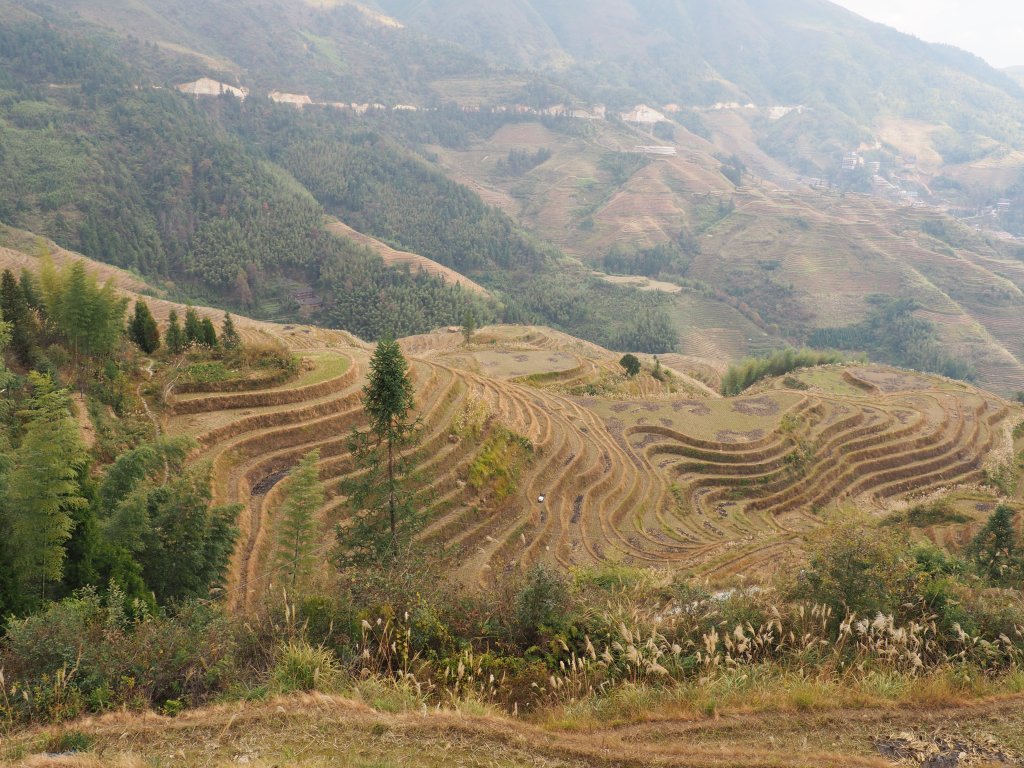
Longji rice terraces (Dragon’s backbone rice terraces) – Day trip but can be extended to overnight depending on where you go.
The Longji or Dragon’s backbone rice terraces include a large area surrounding the villages of Ping’an, Dazhai among others, they are incredible agricultural structures slowly shaped by the Longsheng ethnic minorities over generations, notably the Red Yao and the Zhuang.
We visited the Jinkeng rice terraces and hiked up to the Golden Buddha peak (although a cable car is available too) through an ethnic minority village. When we visited the rice had already been harvested and the atmosphere wasn’t as appealing as other seasons but the landscape was still impressive.
How to get to Longji rice terraces?
We booked our trip to the Dragon’s backbone rice terraces through our hostel but we have read you can do this independently. As we were quite new to travelling independently in Asia and due to the lack of Google maps to guide us we decided to chicken out from trying to reach it by ourselves. If you visit independently you will be able to choose what area to visit, you can find all the info for your choice here (https://www.chinahighlights.com/guilin/attraction/longji-terraced-field.htm)
Chengyang Wind and Rain Bridge
This covered bridge was built by the Dong ethnic minority in 1912, the wooden architecture of this bridge and the villages surrounding it is specific to this ethnic minority. When you visit the bridge, you will also be surrounded by beautiful countryside and villages.
How to get to the Chengyang Wind and Rain Bridge
Get a train from Guilin to Sanjiang (1h) and then get a bus or taxi from the train station stopping at Chengyang (you may need some translator app and/or GPS)
Huangyao Ancient Town
This beautiful traditional town is just full of attractions to visit, most of them free such as the Clocktower or the The Ancient Opera Stage among others, for us, this town was just a great day trip to soak up in traditional culture and architecture.
How to get to Huangyao?
Take the train from Guilin North to Hezhou and then a bus to Huangyao
Or take the bus from Guilin bus station direct to Huangyao
Yangshuo/ Xingping (recommended longer than one day but you can do it as a day trip)
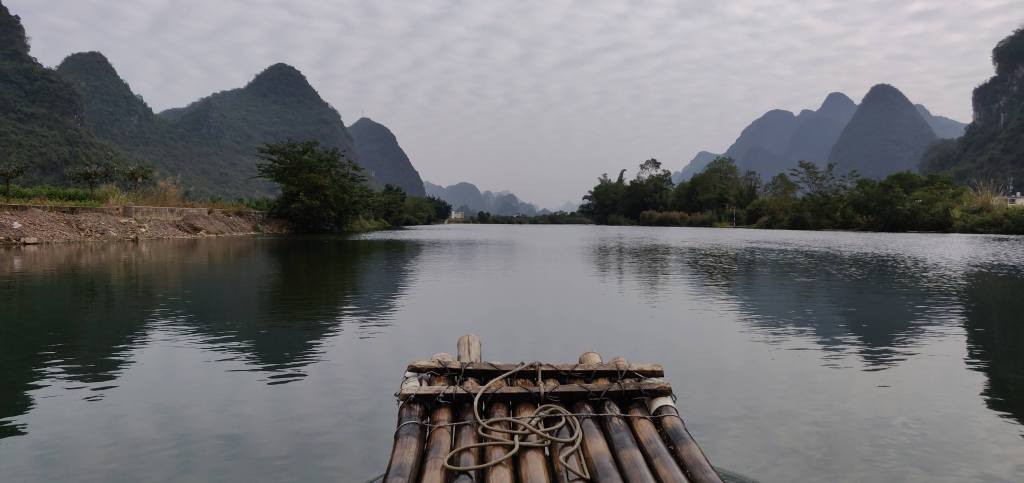
Visiting Yangshuo and Xinping will offer you a better chance to see the karst splashed countryside of Guilin and to get away from the hustle and bustle of the city. Xingping will offer a more relaxed experience as Yangshuo increases in popularity. This was our experience of Yangshuo.
How to get to Yangshuo/ Xingping?
To visit either Yangshuo or Xinping you should go to Guilin bus station (the one at the south of the city).
Overview
Our overall experience in Guiling was actually great, we did feel like we were in a touristic city, however, most of the tourists in Guilin were actually national. We also found Guilin to be a charming city hub where you can actually base yourself to explore more local areas and other touristic spots. We personally do not regret visiting Guilin and actually found Yangshuo to be as touristic if not more, with a higher number of international tourists. Overall, Guilin has a very special place in our trip, blame the gorgeous food or the stunning landscape but we would recommend you to give the “Forest of Sweet Osmanthus” a visit!
 travelling4tales.travel.blog