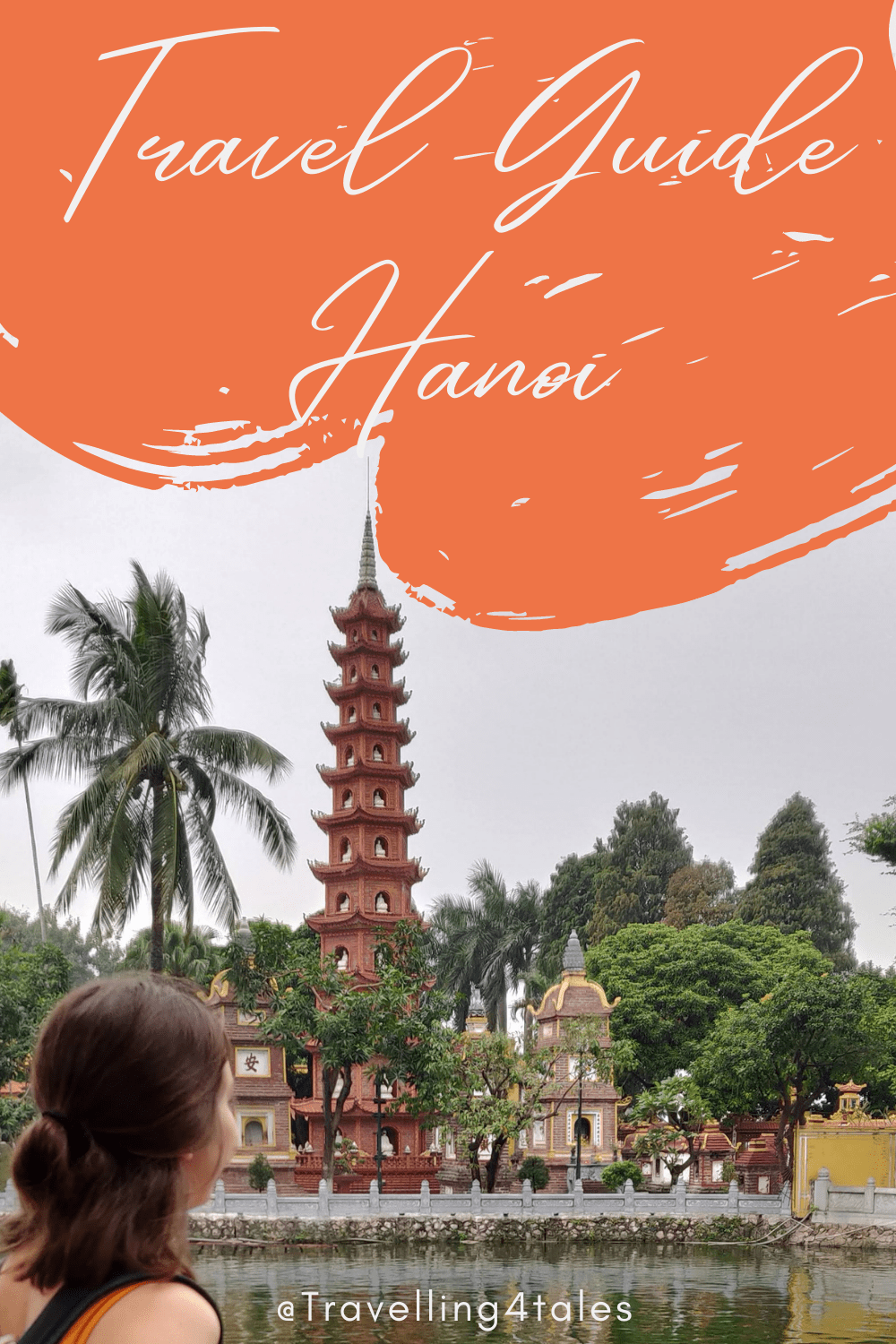
Introduction
We always wondered what Vietnam would be like, more than ever on that train Hanoi-bound from Nanning. In the West, we always have a preconceived idea of China, Japan, Korea and Thailand from movies and media. However, countries like Vietnam or Cambodia are, sadly, best known for their sombre history, although this is radically changing and they are quickly becoming favourite international tourist destinations.
As landscapes changed through the tiny train windows and daylight started to fade, the anticipation of learning more about this incredible country kept us awake. A few hours (and a late border crossing) later, we arrived at Hanoi Gia Lam station (on the wrong side of town and a very long walk away from our accommodation).
Our first impression of Hanoi was very wholesome, at 5:30 am we walked through the smells of coriander and broth simmering in street carts, offering freshly made Phở, lively Vietnamese pop music in a nearby park where a fitness group danced to their morning exercises, and the distant hustle and bustle sound of a fresh food market. As we walked to our hostel, we crossed the Cầu Chương Dương bridge over the Red River, hundreds of scooters struggled through to get to their destinations, the town was waking up! (and so were we).
We said goodbye to our train friends (with whom we ended up travelling on and off all the way to Cambodia and have become very good friends of ours) and we got to our hostel where we got welcomed with freshly brewed and house-roasted Da Lat highlands coffee and a Bahn mi.
This was our incredible welcome to Hanoi!
Best time to visit
Hanoi can get chilly so it’s best to avoid going during the winter from December to March. We travelled in November and had a comfortable temperature. July to September can be rainy.
How to get in and around Hanoi
Moving around Hanoi can get a little confusing, but it’s completely doable by public transport (or even Xe om (riding a motorcycle with a local).
There is an international airport in Hanoi (Noi Bai International Airport) , it is well connected by public transport but you will have to download the BusMap app to work out the routes.
There are also two main train stations: Ga Hà Nội which is in the centre which connects with Saigon and Sa Pa and Nhà Máy Xe Lửa Gia Lâm, the one we arrived at, quite far away from the centre and we had to cross a scary bridge by walk to get into town (but it was the only one connecting from Nanning, China).
There are also a few bus stations scattered around the city but we used a private bus instead with 12go Asia( https://12go.asia/en ), local bus stations are likely cheaper but we were newbies when we arrived so we went for the easy option then.
To move within the city we mainly walked which ended up in very painful calves or we used Grab/ BusMap or even Google Maps to check for routes. There is the option to download the Hanoibus app via link http://timbus.vn/
Friendly note: The bus is paid once you enter so make sure to have small notes (as of 2019 it costed around 7000 VND)
Personal choice: Download the Grab app: This app was literally our life saver, basically Uber in Vietnam, we never had a bad experience with it.
What to do in Hanoi
There is plenty to do in this amazing city for all types of travellers, for historians, foodies, temple chasers and social butterflies!
What to expect? A complete sensorial experience full of aromas, tastes and (definitely) noises and colours. But it was one of our favourite cities (in fact, the one where we spent the most time) So you are in for a treat!
Old Quarter
Hanoi’s Old Quarter is not an activity as such, but its an experience worth living. Walking through the Old quarter, the living heart of Hanoi, you can picture what the city might have been like decades ago. The narrow streets are filled with markets selling absolutely anything you can imagine with locals and expats alike bartering whilst trying to allow hundreds of scooters through.
What we loved the most about the Old Quarter is that it is divided by guilds; there are apparently up to 36 guild streets specialised in different trades such as bamboo wares or copper wares (and when we went there was even a full street selling Christmas decorations)
Hit the Streets
Following through the Old Quarter, a recommended thing to do (if you can) is just walk the streets, make your own walking tour or pick a walking tour, there are great foodie ones too!. Below are our favourite highlights to design a walking tour around.
Hoan Kiem Lake and Ngoc Son Temple
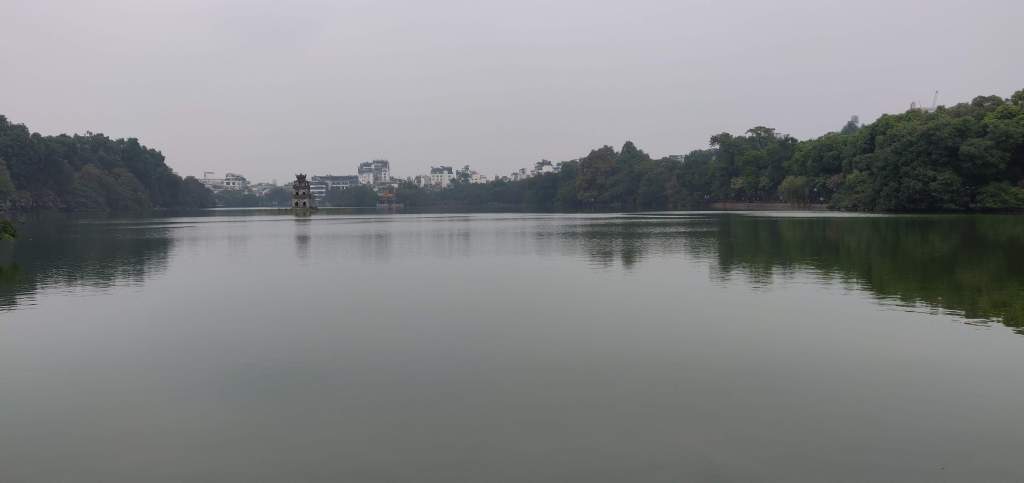
Located in the city centre, Hoan Kiem Lake or Lake of the Returned Sword is a gorgeous must, it is a peaceful oasis within the bustling centre. The atmosphere of this park is just delightful to experience, you can find families walking by, young couples, children relaxing after school. It is a spot enjoyed by expats, locals and tourists alike.
The lake surrounds an island, Jade island where the Ngoc Son Temple rises harmoniously. This temple based on a legend, in this lake, a victorious emperor ( Le Thai To) was visited by a golden turtle who asked him to return a sword that helped him defeat the Chinese Ming Dynasty. This sword was given to the emperor by a god before the battle, and, upon returning the sword to the lake, the Golden turtle disappeared. This emperor then renamed the lake as “Lake of the returned sword”.
When visiting the temple you can actually see the sword and representation of the turtle.
If you have some time, you should also visit King Le Thai To’s Temple nearby. It is a beautiful white temple erected in memory of Emperor Le Thai To (yes, the same who returned the sword to the Golden turtle).
St. Joseph’s Cathedral of Hanoi
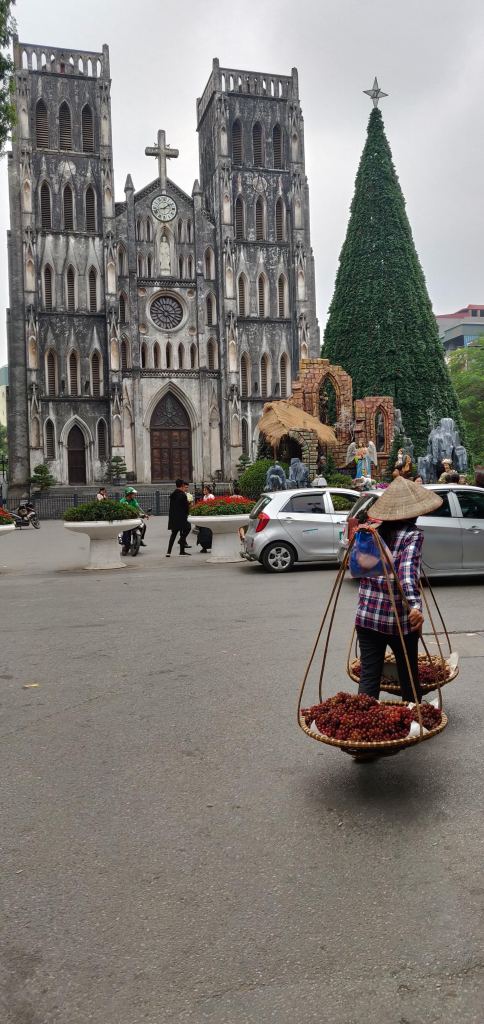
We found this landmark strangely comforting after we had already been travelling for over a month, although it was strange to see a Catholic cathedral in Asia, definitely a highlight to consider.
Other places of interest are:
Tây Hồ Lake (Cute colonial architecture, expat community)
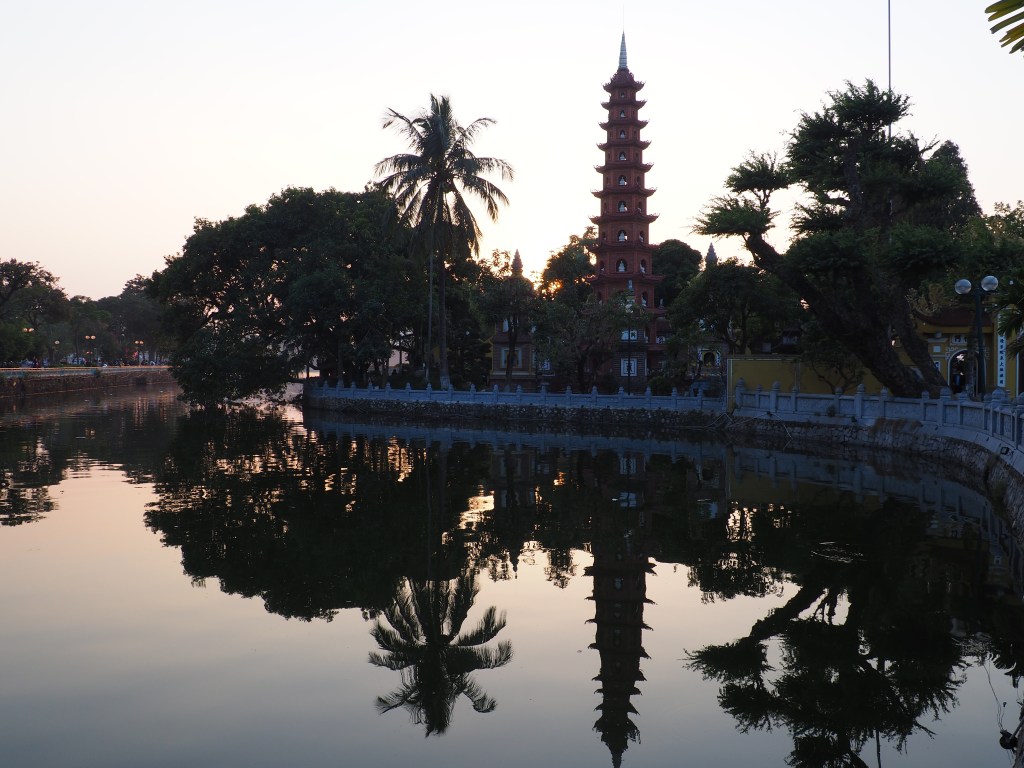
Trấn Quốc Pagoda (Place of worship, long and photogenic pagoda)
Thang Long Water Puppet Theatre
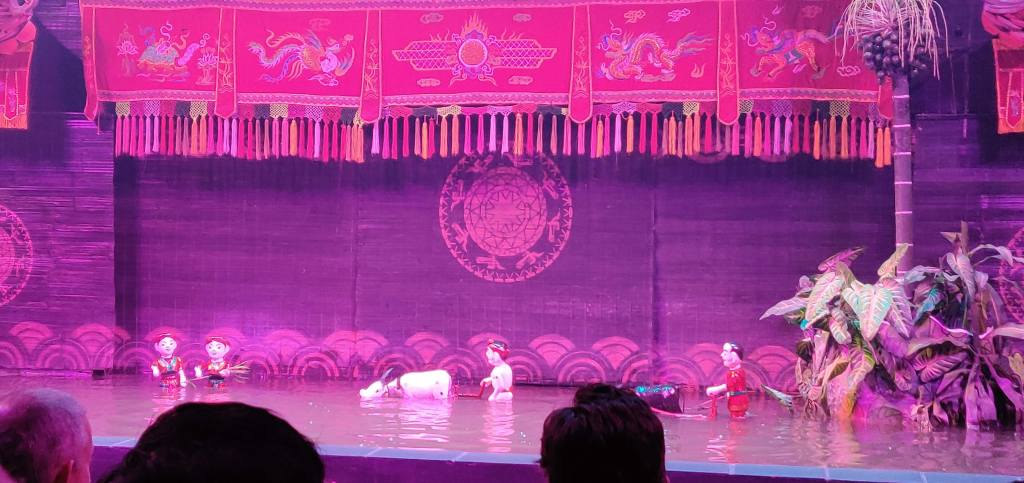
This theatre is located very close to Hoan Kiem lake. Here you can experience a typical north Vietnamese traditional puppetry show where puppeteers tell tales of Vietnamese rural life whilst submerged in the water. The show is completely in Vietnamese but words are not needed to understand the concepts of the stories, in fact, the comedic connotations helped us break the language barrier completely. The show is accompanied by a beautiful orchestra with traditional instruments such as bamboo flutes and colourful lights.
Hanoi Opera House and Vietnamese Women’s Museum
The only reason we have compiled these two places is because they are both located a short walk from Hoan Kiem.
The opera house is a majestic French colonial building worth visiting even if not joining one of their incredible musical events. Their website is also in english so a visit is definitely recommended http://hanoioperahouse.org.vn/en
The Vietnamese women museum portraits with three main exhibitions the role of Vietnamese women in the cultural development and history of Vietnam.
Go shopping!
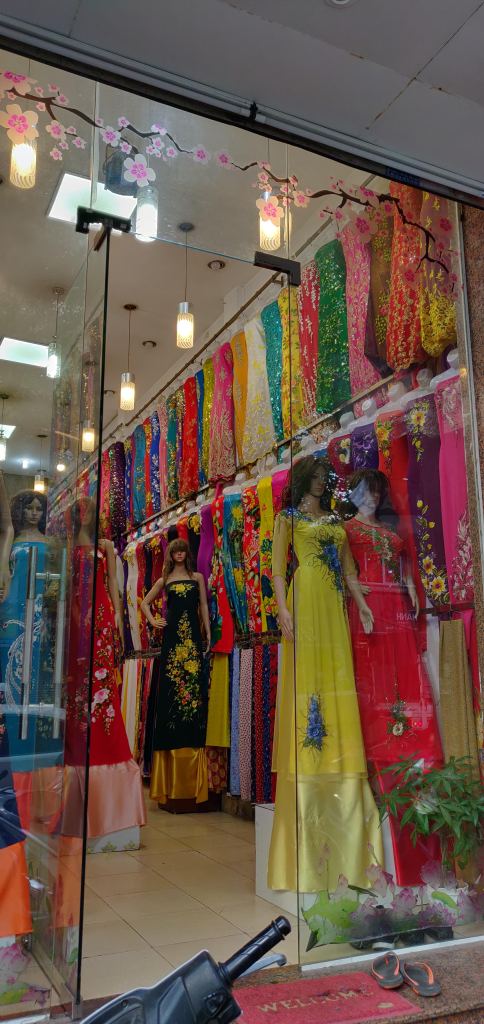
In terms of shopping, Hanoi has something for everyone, there are chic boutiques and high-end luxury malls but also more local experiences. The latter is what we most enjoyed so here are the best markets we found in Hanoi:
Old Quarter: Not a market as such but a lot of them, there are permanent hole in the wall shops but also temporary market stalls selling the typical trinkets and clothing but also more traditional Vietnamese items, it is a good market for souvenirs but also for more generic items (Ainhoa bought a pocket knife to eat mangoes here, yes, very specific use)
Dong Xuan Market: What we loved about this market is how little it was targeted to tourists (at least when we visited in late 2019). There is a bit of everything here but we mostly noticed fabric stalls, clothing stalls down the bottom level there were a lot of fresh food stalls but also dried spices, food and coffee (here they sold the infamous weasel coffee, but we totally opposed buying this product as the welfare of the civets is not regulated at all)
Hang Da Market: Similar to Dong Xuan, this market sells a bit of everything but perhaps with more variety of stalls across all levels, there are also traditional snacks to recover the energy needed to shop.
Long Bien Market: This market is more of a cultural experience rather than a market a passer-by would benefit from (although if you are an expat or have a kitchen you will definitely be interested). Long Bien is a fresh food wholesale market, it opens in the very early hours and it closes in the morning, however, this was our favourite spot to buy fruit and some cooked food such as Gio Cake and here is where we tried our first Bahn Mi (and the rest is history).
Visit the Historical Highlights of the City
The Temple of Literature
This temple, besides its name, is actually more of an ancient place of study than a temple itself, although it is tightly linked to Confucianism. In fact, the main design of the temple is based on Confucius’ birthplace.
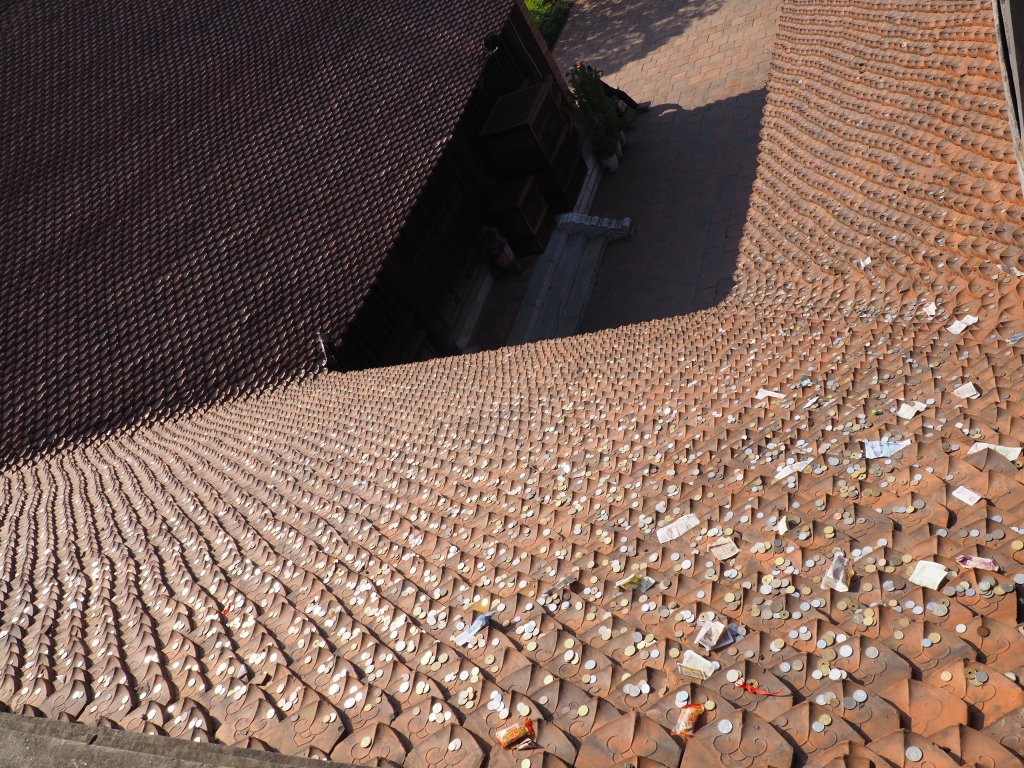
Here you can find incredible gardens and architecture and you can also pray for good grades if you are a student (or about to become one). There are lots of quirky features in this temple such as a roof full of coins and sacred stone turtles you can rub for luck!
Ho Chi Minh Mausoleum and Ba Dinh Square
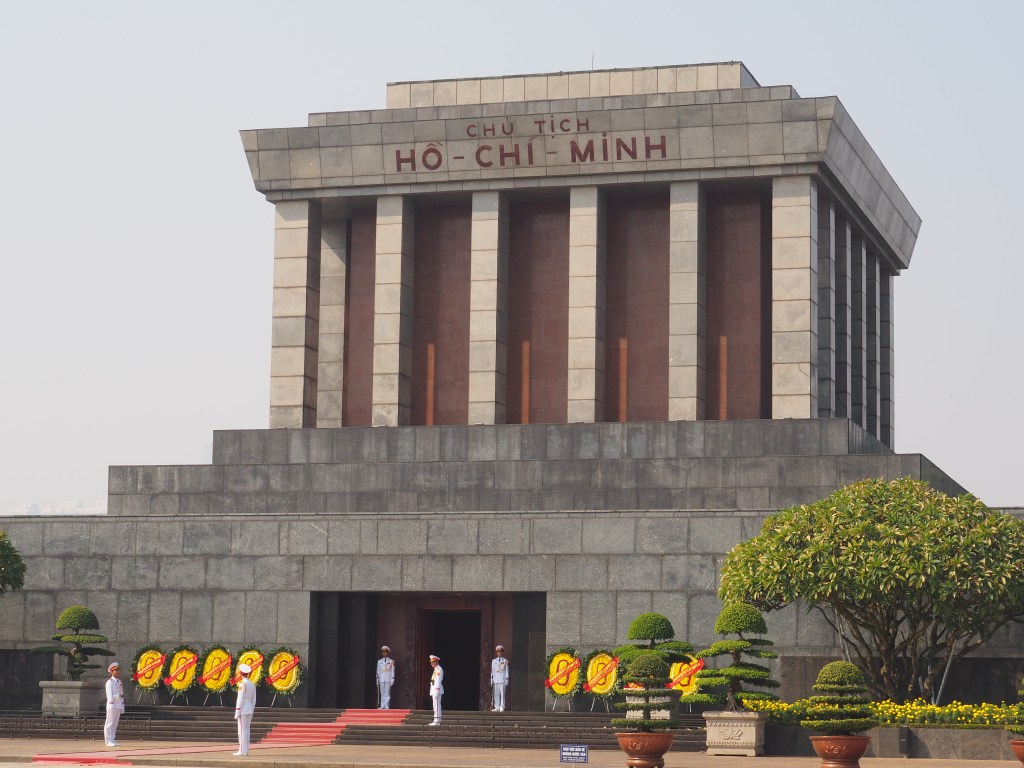
The Ho Chi Minh Mausoleum is the place of rest of the revolutionary leader Ho Chi Minh. Our visit inside the mausoleum was very short and we were escorted into a room where he lies within a glass sarcophagus. Ba Dinh Square, where the mausoleum is located, is known because it’s the location where Ho Chi Minh read the Proclamation of Independence from French colonial rule in 1945.
The Imperial Citadel of Thăng Long
This incredible citadel is a great way to get introduced to the dynastic rule of Vietnam and to admire the architecture of the 1010s.
Train street
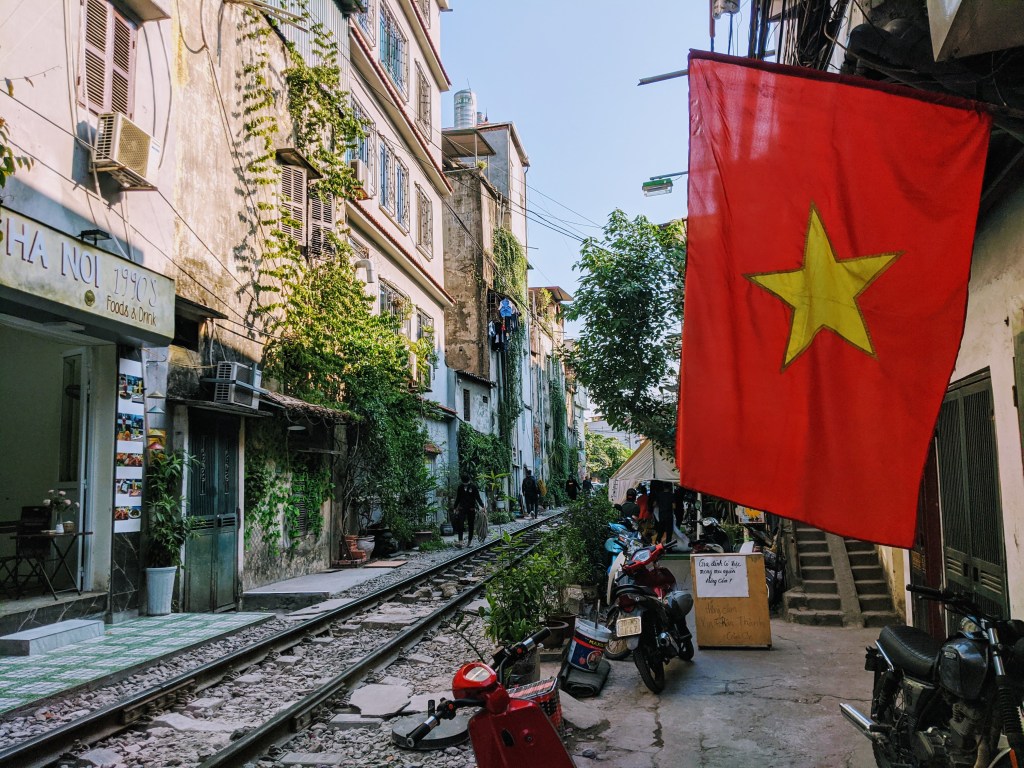
Definitely not a historical highlight but an experience not to miss nonetheless. The train street has gained a lot of popularity due to social media. However, when we went, police officers located at each side of the street were stopping people from entering the street, we managed to get through escorted by a woman trying to sell us coffee. If you would like to experience the street’s stress free we recommend you visit Cafe A99 which oversees the train tracks at a safe distance (plus their Cà phê sữa đá or Vietnamese coffee is delicious!)
Eating in Hanoi
Did you ever think Vietnamese food is just Pho and Bahn Mi? This cuisine has so much to offer it has literally become one of our favourites. All dishes have a very fresh and herbal taste that compliments beautifully with all sorts of meats and fish.
Let’s get it out of the way first, Pho is a must when visiting Hanoi, especially since the Northern and Southern style Pho dishes are well different. We were told Northern Pho uses thicker noodles and is lighter as opposed to Southern which uses thinner noodles but it’s richer and sweeter.
Bahn Mi is just one of these street food delicacies that offer an incredible balance of everything in the bread. It’s like the most beautifully equilibrated sandwich, fresh and meaty with delicate herbs.
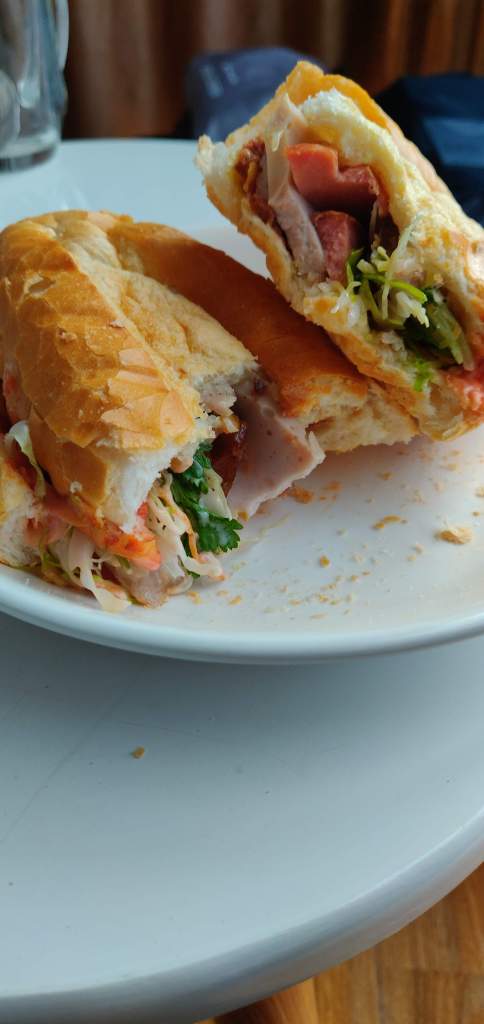
Besides these two, our favourite and most recommended for Hanoi are the following:
Egg Coffee
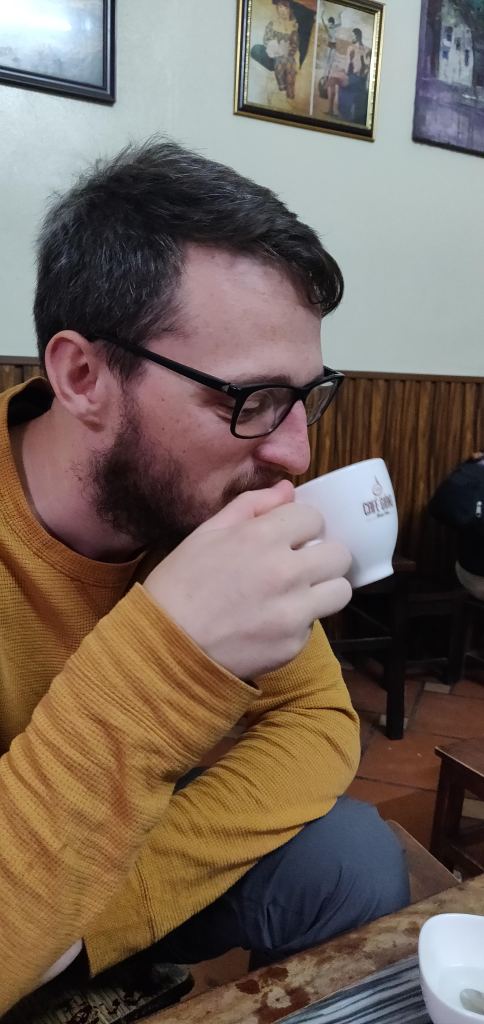
Not really a dish but more a delicacy to try when visiting Hanoi, its birthplace. Cafe Giang who claim to be the inventors of this coffee serve it at a good price and the place is so crammed you will definitely be making some friends!
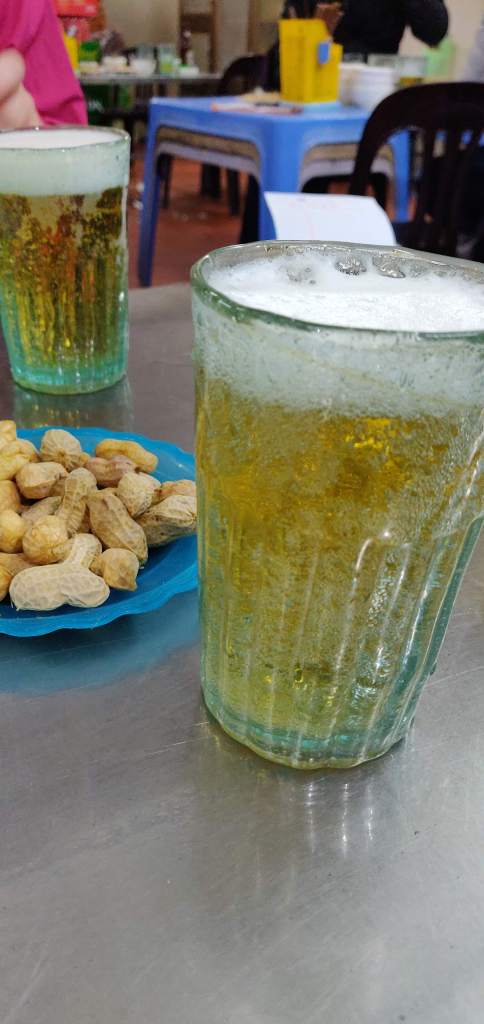
Bia hơi
Also not food, but definitely a culinary experience. This fresh draught beer is brewed fresh each day and it’s very cheap. It is normally served with peanuts but in most Bia Hoi places you can find a wide variety of delicious dishes (and weird ones too). In our favourite Bia Hoi corner they were selling tortoise meat (no, we never tried it).
Chả cá Lã Vọng
Turmeric infused fresh catfish served with noodles and accompanied with ginger and other herbs. We tried it in a Bia Hoi restaurant so there are probably lots of options.
Bún riêu
A flavoursome tomato based soup with crab meat, very filling but absolutely delicious!
Bun Cha
Pete absolutely loved this one. They are very similar to Western meatballs but very sticky and sweet on the outside, you have to dunk them in the broth to release their full potential. We had them at a street food stall in the Old Quarter.
Bánh gối
Following on the street food delicacies, Bánh gối or pillow cakes are crispy fried dumplings filled with meat and veggies. We managed to find a vegetarian option of these for Ainhoa in one of the restaurants but food carts mainly sell the meat versions.
Honourable Mentions:
We have to recommend two places to eat which completely blew our mind, to the point that we would go back to Hanoi in a heartbeat to go back to those. BUT they are both vegetarian (as there are so many good non-veggie places, the veggie ones are the hardest to find).
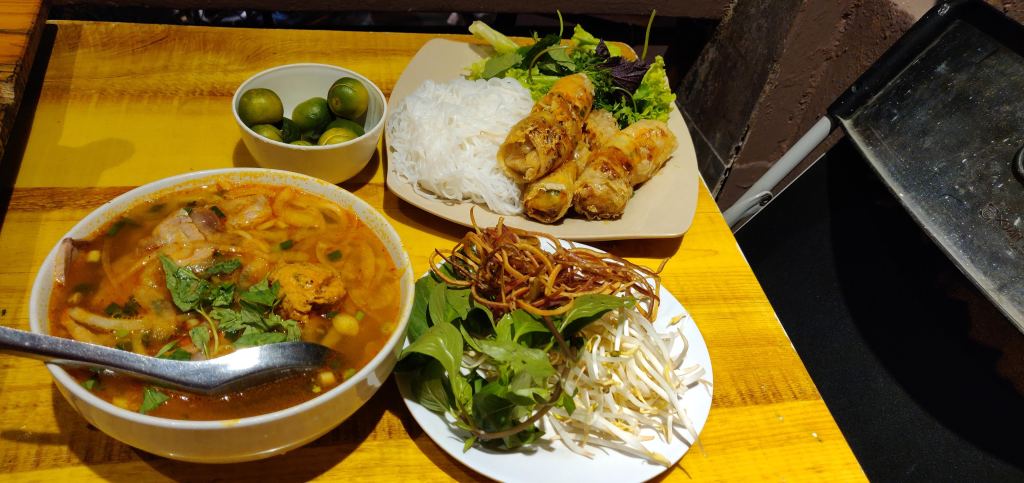
Noodle & Roll
Cheap and amazing food, lots of vegetarian and even some vegan options, did we say cheap? We could not stop going back to this place, the balcony on the top floor offered the most magical evenings (although prepare to get bitten). We cannot recommend it enough!
Nhà hàng Chay Vị Lai
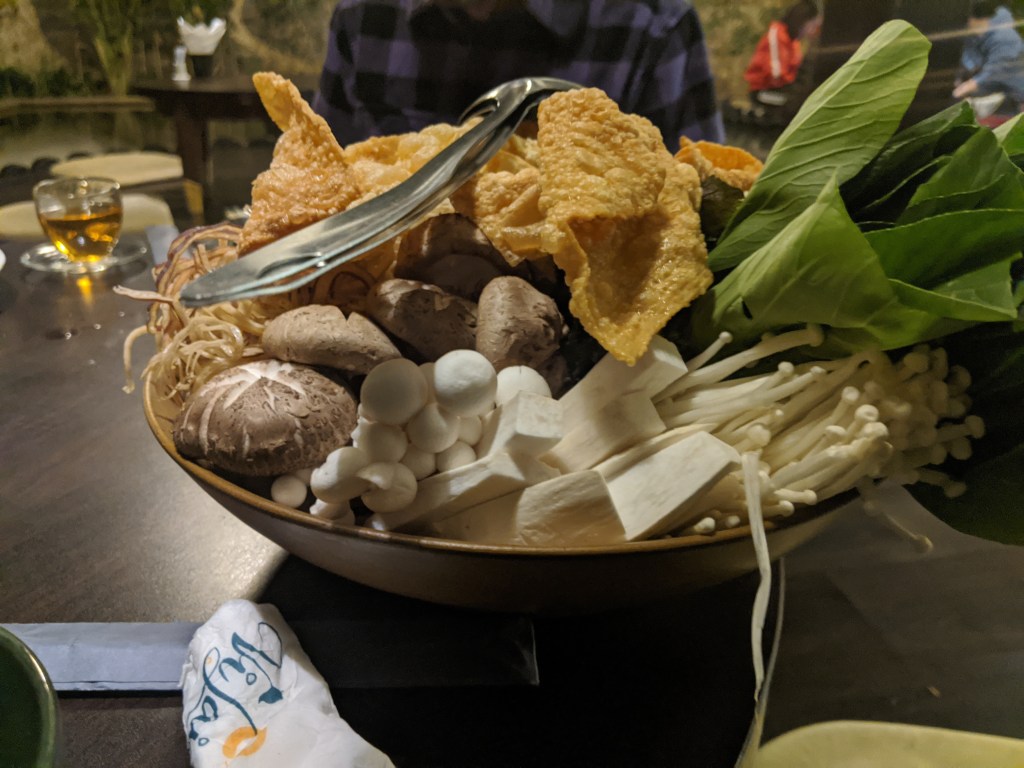
Self proclaimed as the most famous vegetarian restaurant in Hanoi, we can probably understand why. We had the most scrumptious Lẩu (hotpot) ever, filled with mushrooms, different types of tofu and veggies and all around a koi carp pond. Very zen!
Tips and Tricks
Crossing the Road
It might sound strange but if you have visited any European city with bad traffic (namely Naples) Hanoi is 100000 times worse. The rule when crossing the road is doing it with determination and common sense. Basically, do not fight with bigger vehicles but scooters will move around you, just don’t hesitate in the middle of the road because you will confuse them.
Riding a Scooter
If you are going to rent a scooter, do it knowing that Vietnam has huge accident rates due to its manic traffic and poor road conditions. We sadly witnessed a tourist break her arm so it is very real. Make sure you wear a helmet and you drive carefully.
You will also need an international driving permit (in theory) although you can rent a bike using your national driving licence (we used our British/Spanish one) and our passport (never leave it as collateral). Just know that if the police catch you, you will need to pay a fine.
Overview
We really didn’t know what to expect when we arrived at Hanoi, it was our very first contact with Vietnam so it was a double surprise. We loved the city so much we actually decided to extend our stay there and we are planning to come back soon after the pandemic has relaxed and travel restrictions are lifted.
Hanoi left a lasting impression, it is busy, noisy, full of fumes and the weather can be quite moody but it is also vibrant, colourful, and very tasty. We look forward to visiting you again, Hanoi!
 travelling4tales.travel.blog